Blo sbyong gyer sgom rdo rje'i glu dbyangs

From Bodhicitta
< TextsTexts/Blo sbyong gyer sgom rdo rje'i glu dbyangs

🤓 Admin Zone 🛠️ hidden to non-admins
བློ་སྦྱོང་གྱེར་སྒོམ་རྡོ་རྗེའི་གླུ་དབྱངས།
blo sbyong gyer sgom rdo rje'i glu dbyangs
Melodies of an Adamantine Song: A Chanting Meditation on Mind Training
Text


Please note that many items in our library are simply pages that represent a detailed library catalog entry and citation of someone else's work, presentation, or performance. Read our General Disclaimer for more information.

Description

The Tibetan term gyerwa (spelled gyer ba), means "to chant something in songs, or sing something as a song." So I have translated the expression gyergom (spelled gyer sgom) as a "chanting meditation." Although the Tibetan edition of this work, as found in [the Blo sbyong brgya rtsa, Mind Training: The Great Perfection], does not provide any note on its authorship, the Tibetan tradition generally attributes this short text to one Maitrīyogi, literally "a yogi of loving-kindness," who is recognized as one of the three principal teachers of Atiśa on mind training. Ostensibly, the work is a series of ecstatic, spontaneous songs sung in a dialogical structure by Maitrīyogi and Maitreya, the future Buddha. There is, however, a third voice, namely that of an interlocutor. This is probably the voice of the person who first compiled the songs together to weave them into a single narrative. Unfortunately, the identity of our editor remains anonymous. Although Tibetan authors identify Maitrīyogi as the younger of the two Kusalī brothers, Kusalī" is probably a degeneration of Koṣala, the Tibetan equivalent of which is Gewachen (spelled: dge ba can), the name Yeshé Döndrup (Treasury of Gems, p. 481 gives to Kusalī Jr. (Thupten Jinpa, Mind Training: The Great Collection, 599n300)
Reference
blo sbyong gyer sgom rdo rje'i glu dbyangs [བློ་སྦྱོང་གྱེར་སྒོམ་རྡོ་རྗེའི་གླུ་དབྱངས།]. [Melodies of an Adamantine Song: A Chanting Meditation on Mind Training].
Interconnections
1 Recensions
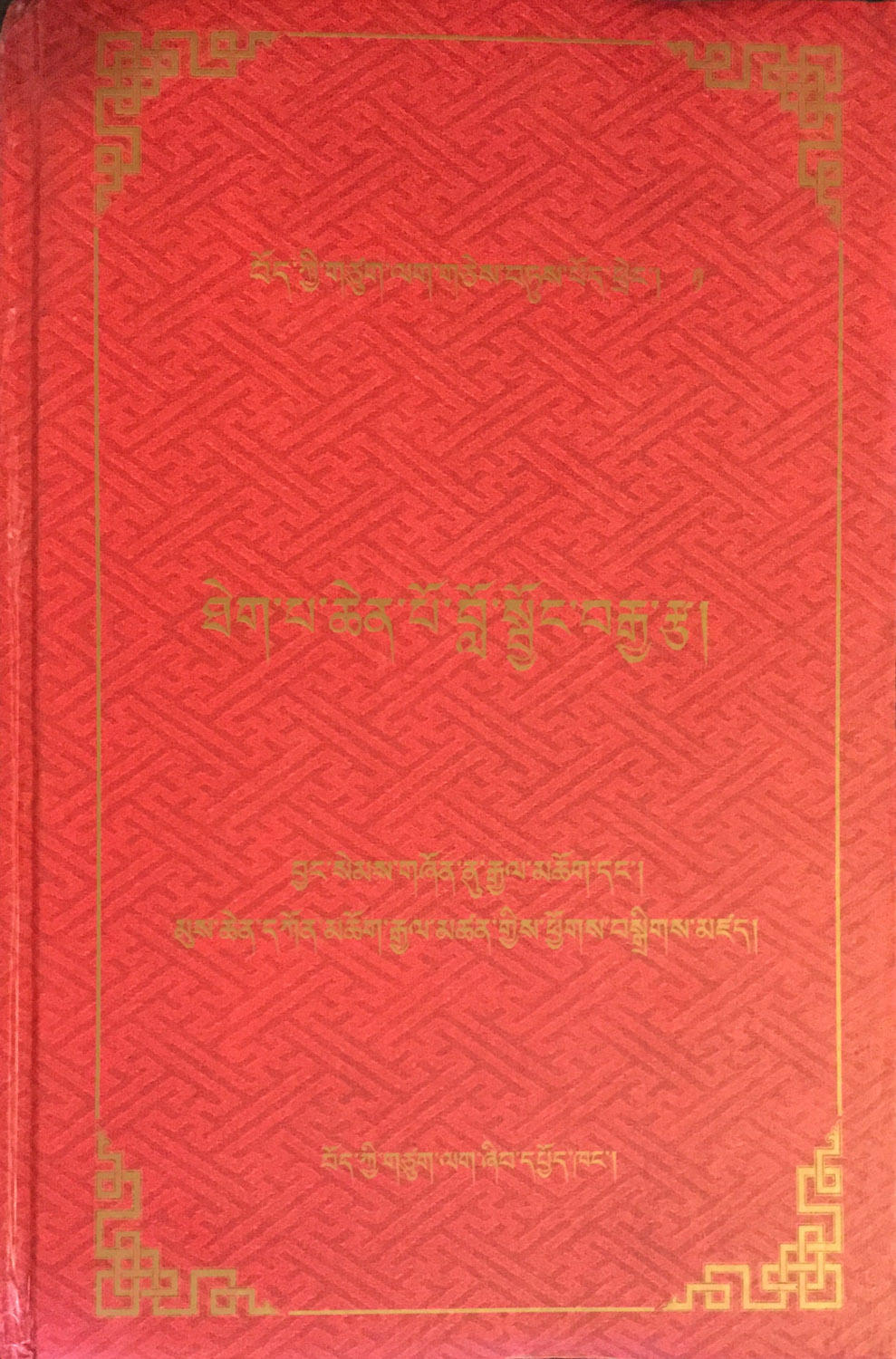
Theg pa chen po blo sbyong brgya rtsa-front.jpg
Tibetan Publications2004About this item
A collection of mind training texts compiled by Zhönu Gyalchok and Müchen Sempa Chenpo Könchok Gyaltsen; critically edited by the Institute of Tibetan Classics.

Compiled in the fifteenth century, Mind Training: The Great Collection is the earliest anthology of a special genre of Tibetan literature known as "mind training," or lojong in Tibetan. The principal focus of these texts is the systematic cultivation of such altruistic thoughts and emotions as compassion, love, forbearance, and perseverance.

The mind-training teachings are highly revered by the Tibetan people for their pragmatism and down-to-earth advice on coping with the various challenges and hardships that unavoidably characterize everyday human existence. The volume contains forty-four individual texts, including the most important works of the mind training cycle, such as Serlingpa's well-known Leveling Out All Preconceptions, Atisha's Bodhisattva’s Jewel Garland, Langri Thangpa's Eight Verses on Training the Mind, and Chekawa's Seven-Point Mind Training together with the earliest commentaries on these seminal texts. (Source Accessed Apr 30, 2025)
2 Full translations
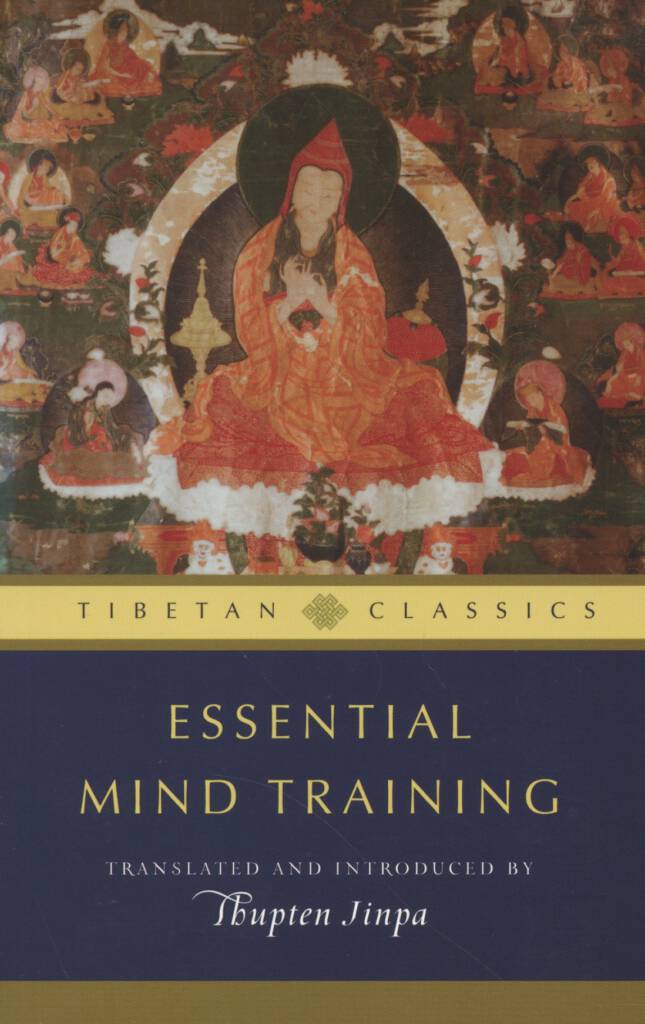
Essential Mind Training (Jinpa 2011)-front.jpg
Books2011About this item
The key to happiness is not the eradication of all problems but rather the development of a mind capable of transforming any problem into a cause of happiness. Essential Mind Training is full of guidance for cultivating new mental habits for mastering our thoughts and emotions.

This volume contains eighteen individual works selected from Mind Training: The Great Collection, the earliest compilation of mind-training (lojong) literature. The first volume of the historic Tibetan Classics series, Essential Mind Training includes both lesser-known and renowned classics such as Eight Verses on Mind Training and The Seven-Point Mind Training. These texts offer methods for practicing the golden rule of learning to love your neighbor as yourself and are full of practical and down-to-earth advice.

The techniques explained here, by enhancing our capacity for compassion, love, and perseverance, can give us the freedom to embrace the world. (Source: Wisdom Publications)
Mind Training- The Great Collection-front.jpg
Books2006About this item
Compiled in the fifteenth century, Mind Training: The Great Collection is the earliest anthology of a special genre of Tibetan literature known as “mind training,” or lojong in Tibetan. The principal focus of these texts is the systematic cultivation of such altruistic thoughts and emotions as compassion, love, forbearance, and perseverance. The mind-training teachings are highly revered by the Tibetan people for their pragmatism and down-to-earth advice on coping with the various challenges and hardships that unavoidably characterize everyday human existence. The volume contains forty-four individual texts, including the most important works of the mind training cycle, such as Serlingpa's well-known Leveling Out All Preconceptions, Atisha's Bodhisattva's Jewel Garland, Langri Thangpa's Eight Verses on Training the Mind, and Chekawa's Seven-Point Mind Training together with the earliest commentaries on these seminal texts. An accurate and lyrical translation of these texts, many of which are in metered verse, marks an important contribution to the world's literary heritage, enriching its spiritual resources. (Source: Wisdom Publications)
1 Member of
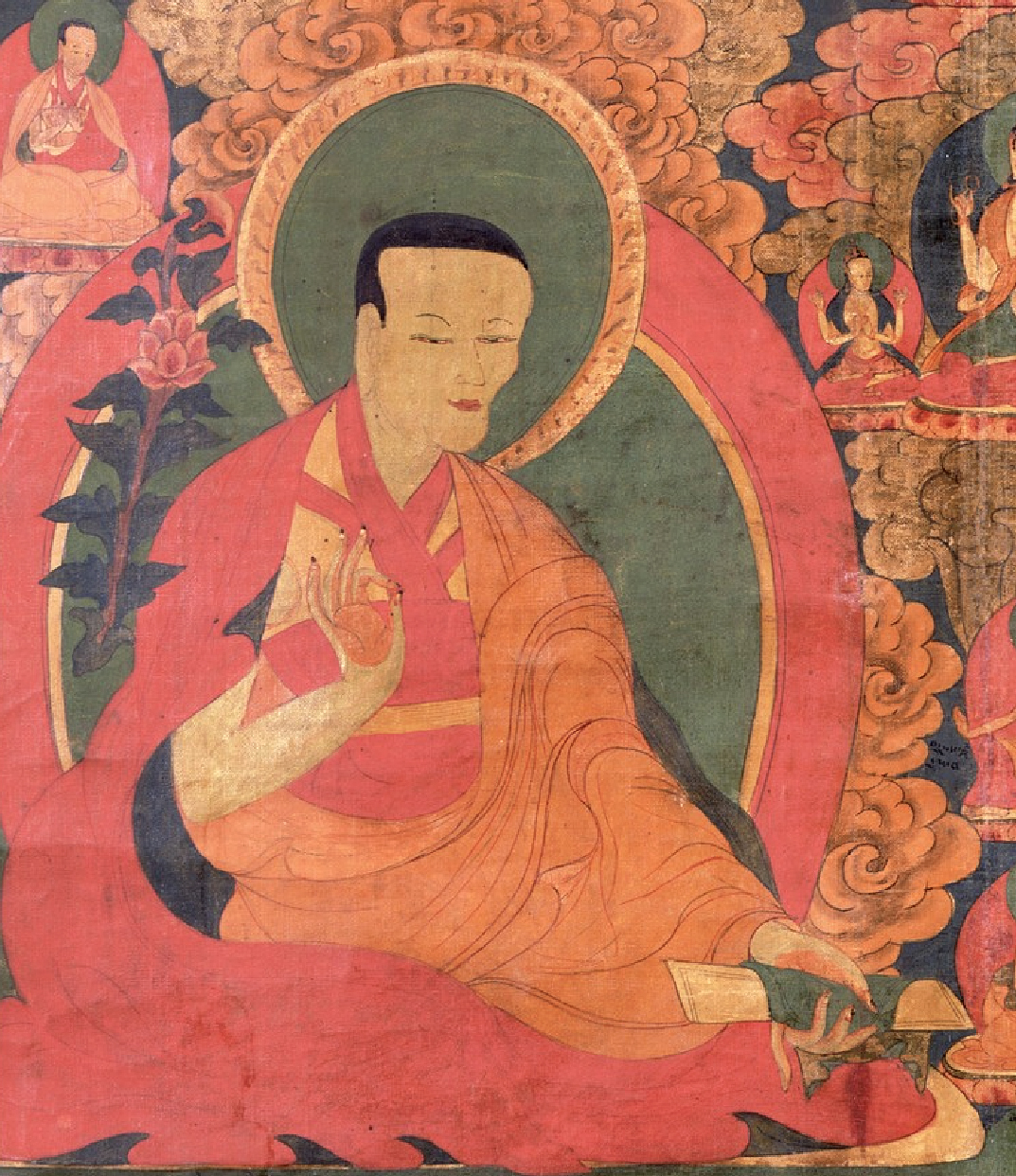
Muchen Sempa Chenpo Könchok Gyaltsen.jpg
Classical WorksAbout this item
Theg pa chen po blo sbyong rgya rtsa

Compiled by Shonu Gyalchok (ca. fourteenth-fifteenth centuries) and Konchok Gyaltsen (1388-1469)

Compiled in the fifteenth century, Mind Training: The Great Collection (Theg pa chen po blo sbyong rgya rtsa) represents the earliest anthology of a special genre of Tibetan spiritual literature known simply as "mind training" or lojong in Tibetan. Tibetans revere the mind training tradition for its pragmatic and down-to-earth advice, especially the teachings on "transforming adversities into favorable opportunities." This volume contains forty-three individual texts, including the most important works of the mind training cycle, such as Serlingpa's Leveling out All Conceptions, Atisa's Bodhisattva's Jewel Garland, Langri Thangpa's Eight Verses on Mind Training, and Chekawa's Seven-Point Mind Training, together with the earliest commentaries on these seminal texts as well as other independent works. These texts expound the systematic cultivation of such altruistic thoughts and emotions as compassion, love, forbearance, and perseverance. Central to this discipline are the diverse practices for combating our habitual self-centeredness and the afflictive emotions and way of being that arise from it. (Source: Mind Training: The Great Collection translated by Thupten Jinpa)