- [[<span class="smw-highlighter" data-type="4" data-state="inline" data-title="Warning" title="Some use of "|]]
- "
- In your query was not closed by a matching "
- "
- [[.">Some use of "" in your query was not closed by a matching "".|]]
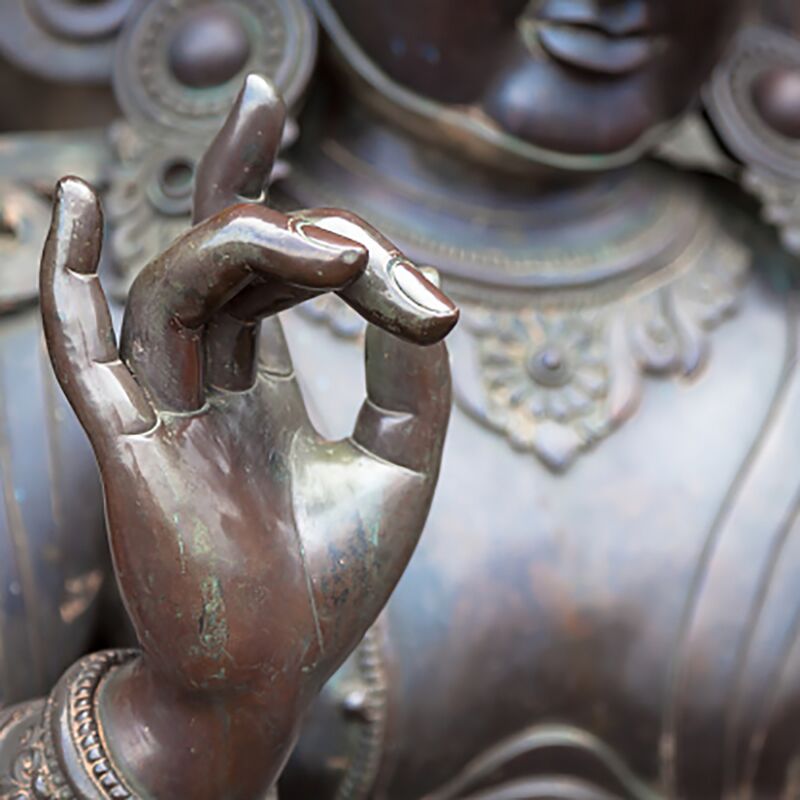
In order for bodhisattvas to give of their body, possessions, and virtues for the sake of all sentient beings, they must learn to guard and protect them. Chapter 2–7 discusses the various practices bodhisattvas can engage in to accomplish this. Such practices include finding and following a suitable teacher, studying the sūtras and following the precepts and ethical discipline taught therein, protecting the body from harm, upholding one's virtue by avoiding transgressions, etc.
Concise Summary of Essential Points
Chapter four is entitled "The Explanation of Great Harms Taught in the Sūtras" and rightly deals at the very outset with the eighteen root downfalls, or the most serious transgressions associated with the bodhisattva precepts, as taught in The Sūtra of Ākāśagarbha (Ākāśagarbhasūtra). The eighteen root downfalls are:
- Robbing the materials offered to the Three Jewels, including monks and holy monuments.
- Making others give up or object to the Dharma teachings of either hearers, solitary realizers, or bodhisattvas.
- Disrobing, persecuting, or executing renunciate disciples of the Buddha, whether they are still monks or not.
- Committing the five immeasurably negative acts of matricide, patricide, killing of an arhat, causing schism, and hurting the Buddha with malice.
- Holding nihilistic views and engaging in and making others engage in the ten nonvirtuous actions.
These five actions are prone to be committed by a king, and committing them would wipe out all previous virtues. Almost the complete set is also applied to a minister, except that the fifth one is dropped and in its place a minister commits the root transgression if he/she destroys a village, town, area, or region as an agent of the king or state. Between the king and the minister, there are all together ten transgressions enumerated but only six in actual types of actions.
These are followed by the transgressions which are likely to happen to ordinary people, particularly beginners on the bodhisattva path. They are:
- Prematurely teaching emptiness to those who are not ready and scaring them away from the Mahāyāna path to enlightenment.
- Dissuading others from the Mahāyāna path, even when the person is ready.
- Discouraging others from monkhood by saying that practicing Mahāyāna is sufficient.
- Disparaging the path of the hearers and exhorting others to avoid it.
- Praising oneself and criticizing others out of jealousy.
- Selling oneself for the sake of gain and veneration.
- Depriving monks or holy monuments of material offerings and offering them as gifts to higher authorities.
- Looking down on true Dharma practice and taking away resources from contemplatives and giving them to reciters.
These eight are the root downfalls mainly associated with beginners on the path, and committing these would destroy past virtues, lead to a fall from happy states to unhappy rebirths, and prolong one's time in the cycle of existence. If one were to commit any of these transgressions, one must promptly confess it in the presence of Bodhisattva Ākāśagarbha by waking up at the sight of the first light on the horizon and calling out the following:
First Light! First Light! Great Compassionate One! Great Fortunate One! As soon as you shine on the world, cover me with compassion. I also fervently beseech the compassionate Ākāśagarbha. Show me in my dream the ways in which I can expiate the transgressions and the ways in which I can achieve the wisdom and compassion of sublime Mahāyāna.[1]
Having chanted these words, one must go back to sleep, and it is said that one is sure to encounter Ākāśagarbha in one form or another. In addition to this, one can also offer incense, make prostrations, and chant the mantra of purification provided in The Sūtra of Ākāśagarbha. Many more sūtras are cited to stress the importance of avoiding the transgressions and making amends. The Obstruction of Renunciate Sūtra (Pravrajyāntarāyasūtra) is quoted to highlight four grave negative actions, which include obstructing someone from pursuing liberation, obstructing someone from pursuing renunciation, discarding Dharma, and exhibiting anger toward monks and Brahmins. Śāntideva also provides the canonical sources describing the negative consequences of each one of the ten nonvirtuous actions, which form a very common part of Buddhist ethics.
The filthy and putrid nature of the human body, particularly that of women, is a recurring theme in both The Compendium of Training and The Way of the Bodhisattva. No doubt both of these works were aimed at an audience of celibate monastics, and great effort is made to underscore the value of monastic chastity and to undermine carnal craving and desire for worldly life. Copulation with the fair sex is repeatedly derided as leading to many ills in both this life and many lifetimes after. It is not only physical intercourse but even the simple sensual pleasures associated with women which is to be avoided. Citing The Sūtra about Seven Forms of Sex (Saptamaithunasaṃyuktasūtra), he points out that sexual misconduct for celebate monastics not only involves actual intercourse but also the following: (1) to see and relish the female body, (2) to enjoy chatting with and talking to women, (3) to play with women, (4) to relish being served by women, (5) to relish music and sounds of women even behind a wall or curtain, (6) to relish when other people enjoy the sensual pleasures, and (7) to dedicate virtuous actions toward rebirth in celestial realms.[2]
The caution against the opposite sex continues with recommendations to think of one's spouse in three ways: as a partner of this life, not of the next; as a partner in fun, not in resultant pain; and as a partner in happiness, not in suffering. Partners, it is said, are an obstruction to discipline, meditation, and wisdom, and are comparable to robbers, prison guards, and guardians of hell. The Sūtra Requested by Candrottarā (Candrottarādāriparipṛcchasūtra) presents some more different ways to counter sexual craving. All beings have become one's mothers. How could one then have feelings of lust towards one's mother? All beings have become one's sworn enemies who have killed each other. How can one then now desire and like the enemies? The sūtra goes on to highlight how attachment and craving leads to horrific negative consequences in future rebirths and how the beautiful attractive body of Candrottarā is an outcome of chastity and motherly and sisterly affection toward other women.
The chapter concludes with a discussion of the positive karmic consequences of having a faithful and sincere respect in bodhisattvas and those on the path to buddhahood and the negative consequences of generating ill will and anger toward bodhisattvas and of obstructing the bodhisattva practice. The reason for the gravity of actions toward the bodhisattvas is because they are future buddhas, and obstructions to their practices amounts to obstructing a future buddha, who can bring immense benefit to the world. Moreover, because one cannot tell who is and is not a bodhisattva, the Buddha cautions people from judging others. The final part of the chapter contains long sūtra discourses on advice against discarding Dharma and disrespecting bodhisattvas and the bodhisattva path, which Śāntideva concisely captures in the final verses of the first chapter of The Way of the Bodhisattva.
Additional resources
Here we need to think about what would be particularly useful to the student/reader at this point. Link to key terms found in chapter one? Any thoughts?
The Way of the Bodhisattva
Notes
- ↑ Derge Tanjur, Khi, f. 42b: ཚིག་འདི་སྐད་དུ་སྐྱ་རེངས་སྐྱ་རེངས་སྙིང་རྗེ་ཆེན་པོ་སྐལ་བ་ཆེན་པོ་ཁྱོད་འཛམ་བུའི་གླིང་དུ་ཤར་མ་ཐག་ཏུ་སྙིང་རྗེས་བདག་ལ་ཁེབས་པར་མཛད་དུ་གསོལ། ནམ་མཁའི་སྙིང་པོ་སྙིང་རྗེ་ཆེན་པོ་དང་ལྡན་པ་ལ་ཡང་བདག་གི་ཚིག་གིས་མྱུར་དུ་བསྐུལ་ཏེ་ཐབས་གང་གིས་བདག་ལྟུང་བ་འཆགས་པར་འགྱུར་བ་དང་། ཐེག་པ་ཆེན་པོ་འཕགས་པ་ལ་ཐབས་དང་ཤེས་རབ་འཐོབ་པར་འགྱུར་བའི་ཐབས་དེ་དག་བདག་གི་རྨི་ལམ་དུ་བསྟན་དུ་གསོལ་
- ↑ citation
