Damamūkasūtra
From Bodhicitta
| 🤓 Admin Zone 🛠️ hidden to non-admins | |
दममूकसूत्र
Damamūkasūtra
མཛངས་བླུན་ཞེས་བྱ་བའི་མདོ།
mdzangs blun zhes bya ba'i mdo
The Sūtra of the Wise and Foolish (84000)
Text
Please note that many items in our library are simply pages that represent a detailed library catalog entry and citation of someone else's work, presentation, or performance. Read our General Disclaimer for more information.

Description
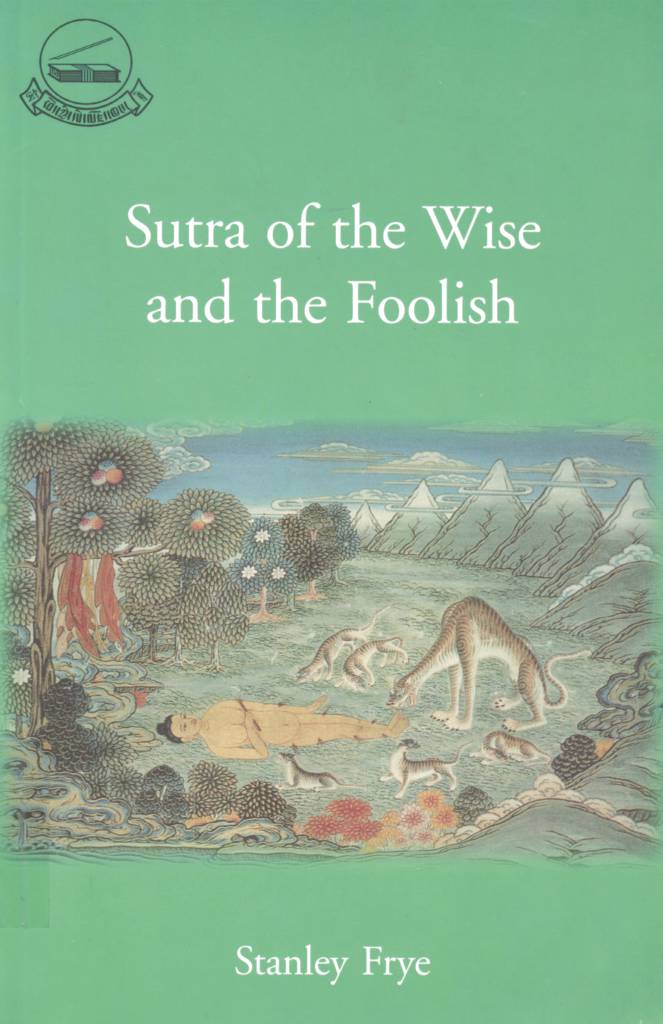
One of the great treasures of Buddhist literature which have come down to us in Tibetan translation is the Do-dzang-lun (མདོ་མཛངས་བླུན། - mdo mdzangs blun) or the Sutra of the Wise and the Foolish, known to the Mongols, into whose language it was translated from Tibetan, as the Uliger-un dalai or Ocean of Narratives. The history of this unusual scripture is still uncertain, e.g. we are not sure whether there ever was a Sanskrit or Prakrit original (none has yet been found), though legend telling us that the tales were heard in Khotan by Chinese monks who translated them (but from what language?) into Chinese from which language it was translated into Tibetan, thence into Mongolian and Oirat. Whatever the history of the Sutra may be, it is one of the most interesting, enjoyable and readable of Buddhist scriptures and has for centuries been an inexhaustible source of inspiration, instruction and pleasure for all who have been able to read it. (Source: Stanley Frye, Sutra of the Wise and the Foolish, 2006, Forward, vii) (Other Sources)
Quoted in the aligned translations
Reference
damamūkasūtra [दममूकसूत्र]. mdzangs blun zhes bya ba'i mdo [མཛངས་བླུན་ཞེས་བྱ་བའི་མདོ།]. [The Sūtra of the Wise and Foolish (84000)]. Kangyur, RKTSK 341 http://www.rkts.org/cat.php?id=341&typ=1.
Interconnections
1 Explore this work
2 Full translations

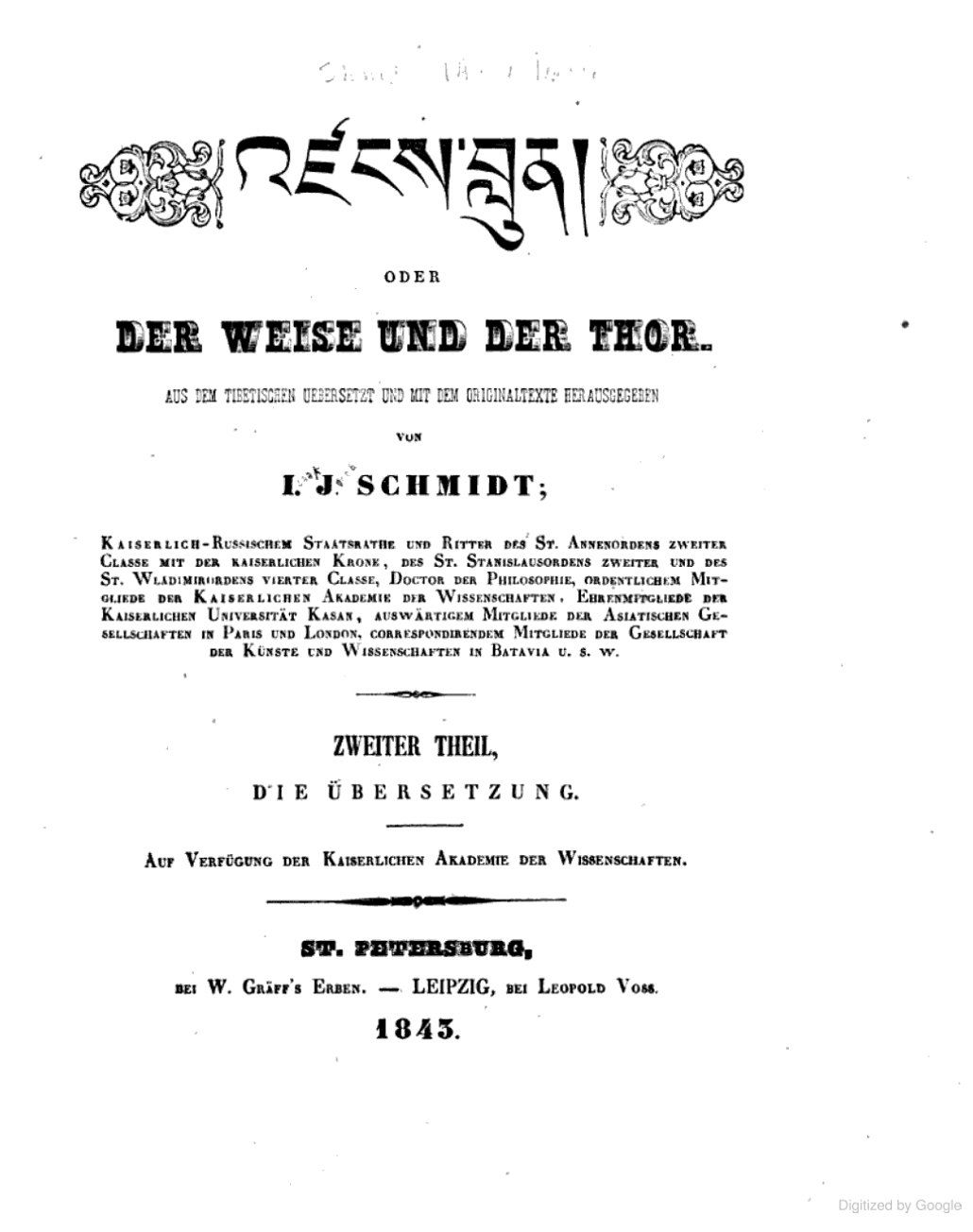
German translation of the Mdzangs blun zhes bya ba'i mdo, The Sūtra of the Wise and the Foolish.

52 stories from The Sutra of the Wise and the Foolish (མདོ་མཛངས་བླུན། - mdo mdzangs blun) are published here. This is the first translation from Mongolian that the Library of Tibetan Works & Archives is publishing.
One of the great treasures of Buddhist literature which have come down to us in Tibetan translation is the Do-dzang-lun (མདོ་མཛངས་བླུན། - mdo mdzangs blun) or the Sutra of the Wise and the Foolish, known to the Mongols, into whose language it was translated from Tibetan, as the Uliger-un dalai or Ocean of Narratives. The history of this unusual scripture is still uncertain, e.g. we are not sure whether there ever was a Sanskrit or Prakrit original (none has yet been found), though legend telling us that the tales were heard in Khotan by Chinese monks who translated them (but from what language?) into Chinese from which language it was translated into Tibetan, thence into Mongolian and Oirat. Whatever the history of the Sutra may be, it is one of the most interesting, enjoyable and readable of Buddhist scriptures and has for centuries been an inexhaustible source of inspiration, instruction and pleasure for all who have been able to read it. (Source: Forward, vii. )
3 A topic of
German translation of the Mdzangs blun zhes bya ba'i mdo, The Sūtra of the Wise and the Foolish.

This Buddhist parable tells the story of Nima, a destitute woman in ancient Śrāvastī who sacrifices her only coin to offer a humble oil lamp to the Buddha instead of buying food for herself after two days without eating. Her lamp miraculously continues burning long after the elaborate offerings from wealthy donors extinguish. The Buddha reveals that Nima's perfect generosity—giving from need rather than excess—created an inextinguishable light. He prophesies that she will become the Buddha Dīpaṃkara ("Maker of Light") in a future age. The tale illustrates the Buddhist principle that the intention behind an offering matters more than its size, and that genuine sacrifice from the heart creates the greatest merit. This story comes from one of many stories in The Sutra of the Wise and Foolish, (མདོ་མཛངས་བླུན། mdo mdzangs blun), Damamūkasūtra.
- This is a creative retelling of a story from the traditional Jātakamāla and not an exact translation of the text.
52 stories from The Sutra of the Wise and the Foolish (མདོ་མཛངས་བླུན། - mdo mdzangs blun) are published here. This is the first translation from Mongolian that the Library of Tibetan Works & Archives is publishing.
One of the great treasures of Buddhist literature which have come down to us in Tibetan translation is the Do-dzang-lun (མདོ་མཛངས་བླུན། - mdo mdzangs blun) or the Sutra of the Wise and the Foolish, known to the Mongols, into whose language it was translated from Tibetan, as the Uliger-un dalai or Ocean of Narratives. The history of this unusual scripture is still uncertain, e.g. we are not sure whether there ever was a Sanskrit or Prakrit original (none has yet been found), though legend telling us that the tales were heard in Khotan by Chinese monks who translated them (but from what language?) into Chinese from which language it was translated into Tibetan, thence into Mongolian and Oirat. Whatever the history of the Sutra may be, it is one of the most interesting, enjoyable and readable of Buddhist scriptures and has for centuries been an inexhaustible source of inspiration, instruction and pleasure for all who have been able to read it. (Source: Forward, vii. )