| 🤓 Admin Zone 🛠️ hidden to non-admins | |
| | |
| Redirects needed | |
|---|---|
རྒྱལ་སྲས་ཀྱི་སྤྱོད་པའི་ཆོས་སྐོར།
Book
Please note that many items in our library are simply pages that represent a detailed library catalog entry and citation of someone else's work, presentation, or performance. Read our General Disclaimer for more information.

Description
A selection of key texts on the "Bodhisattva Ideal", collected, edited, and arranged by Thupten Jinpa. The collection includes an important commentary on the Bodhicaryāvatāra (སྤྱོད་འཇུག་འགྲེལ་པ་ལེགས་པར་བཤད་པའི་རྒྱ་མཚོ།) and the famous The Thirty Seven Practices of a Bodhisattva (རྒྱལ་སྲས་ལག་ལེན་སོ་བདུན་མ།) by Tokmé Zangpo; Notes on the Śikṣāsamuccaya (བསླབ་བཏུས་ཟིན་བྲིས།) by Tsongkhapa; and six other texts. Tibetan text printed with support from the Hershey Family Foundation. Translation work began in 2021 with funding from Tsadra Foundation. Available for free download on Thupten Jinpa's website. It contains the following texts:
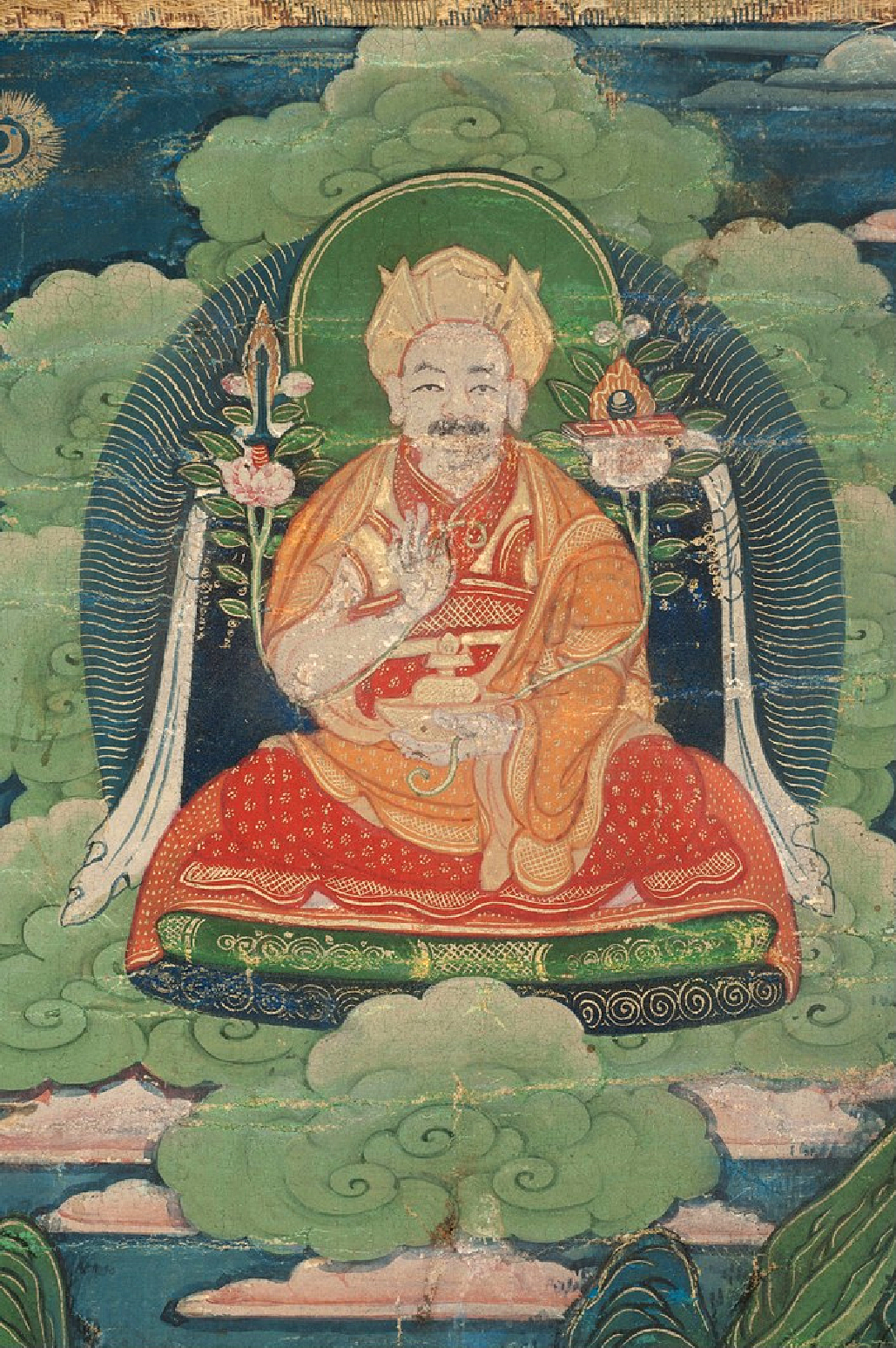
- 1) སྐྱེས་རབས་གསོལ་འདེབས་ཐེག་ཆེན་ཆོས་ཀྱི་སྒྲ་དབྱངས། (skyes rabs so bzhi pa'i snying po bsdus pa'i tshigs bcad theg chen gyi sgra dbyangs) Melodies of Mahayana Teaching: Verses Distilling Thirty-Four Birth Stories of the Compassionate Teacher - Yongzin Yeshé Gyaltsen ཡོངས་འཛིན་ཡེ་ཤེས་རྒྱལ་མཚན།
- 2) སྤྱོད་འཇུག་འགྲེལ་པ་ལེགས་པར་བཤད་པའི་རྒྱ་མཚོ། An Ocean of Excellent Discourses: A Commentary on Guide to the Bodhisattva Way Thokmé Sangpo ངུལ་ཆུ་རྒྱལ་སྲས་ཐོགས་མེད་བཟང་པོ། - Translation by Julia Stenzel
- 3) བསླབ་བཏུས་ཟིན་བྲིས། A Concise Summary of the Compendium of Training by Tsongkhapa Losang Drakpa རྗེ་ཚོང་ཁ་པ།
- 4) དབུ་མ་རིན་ཆེན་འཕྲེང་བའི་སྙིང་པོའི་དོན་གསལ་བར་བྱེད་པ། Illuminating the Essential Meaning of the Madhyamaka Text Precious Garland - Gyaltsab Darma Rinchen རྒྱལ་ཚབ་དར་མ་རིན་ཆེན།
- 5) མདོ་སྡེ་རྒྱན་དང་བྱང་སའི་དོན་གཅིག་ཏུ་སྦྱར་ནས་རྒྱལ་བའི་སྲས་ཀྱི་ལམ་ཉམས་སུ་ལེན་ཚུལ་མདོ་ཙམ་བཤད་པ་ཐེག་ཆེན་ལམ་བཟང་གསལ་བའི་ཉི་མ། Sun Illuminating the Mahayana Path: A Brief Explanation of How to Practice the Bodhisattva Path Based on Combining the Topics of Ornament of Mahayana Sutras and the Bodhisattva Ground - Thuken Chökyi Nyima ཐུའུ་བཀྭན་བློ་བཟང་ཆོས་ཀྱི་ཉི་མ།
- 6) རྒྱལ་སྲས་ལག་ལེན་སོ་བདུན་མ། Thirty-Seven Practices of the Bodhisattva - Thokmé Sangpo དངུལ་ཆུ་རྒྱལ་སྲས་ཐོགས་མེད་བཟང་པོ།
- 7) ཐེག་པ་ཆེན་པོའི་བློ་སྦྱོང་གཞན་དོན་དོན་གཉེར་གྱི་གདམས་པའི་རྩ་བ། Mahayana Mind Training Aspiring for Others’ Welfare - Chenga Lodrö Gyaltsen སྤྱན་སྔ་བློ་གྲོས་རྒྱལ་མཚན།
- 8) བྱང་ཆུབ་སེམས་དཔའི་བསླབ་བྱ་གཞན་ཕན་བདུད་རྩིའི་འོད་ཕྲེང་། Garland of Ambrosial Rays of Altruism: A Concise Presentation of the Bodhisattva Precepts - Changkya Rölpai Dorjé ལྕང་སྐྱ་རོལ་པའི་རྡོ་རྗེ།
- 9) རྒྱལ་བའི་སྲས་ཀྱི་བསླབ་བྱ་མདོར་བསྡུས་ཉམས་ལེན་སྙིང་པོ། A Brief Presentation of Essential Practice of the Bodhisattva Precepts - Dza Paltrul Rinpoché རྫ་དཔལ་སྤྲུལ་འཇིགས་མེད་ཆོས་ཀྱི་དབང་པོ།
Citation
Thupten Jinpa (གླང་རི་བ་ཐུབ་བསྟན་སྦྱིན་པ།), ed. རྒྱལ་སྲས་ཀྱི་སྤྱོད་ལ་འཇུག་པའི་ཆོས་སྐོར། (Rgyal sras kyi spyod la 'jug pa'i chos skor) The Bodhisattva Ideal. བོད་ཀྱི་གཙུག་ལག་གཅེས་བཏུས། ༡༡ (bod kyi gtsug lag gces btus) Tibetan Classics Series 11. New Delhi: བོད་ཀྱི་གཙུག་ལག་ཞིབ་དཔྱོད་ཁང་། (bod kyi gtsug lag zhib dpyod khang) Institute of Tibetan Classics, 2006.
Table of contents
- སྔོན་གླེང་ངོ་སྤྲོད་ xi
- དཔེ་སྐྲུན་གསལ་བཤད་ xli
- རྒྱལ་སྲས་ཀྱི་སྤྱོད་པ་ལ་འཇུག་པའི་ཆོས་སྐོར་
- ༡ སྐྱེས་རབས་གསོལ་འདེབས་ཐེག་ཆེན་ཆོས་ཀྱི་སྒྲ་དབྱངས། ཡོངས་འཛིན་ཡེ་ཤེས་རྒྱལ་མཚན་ pp 3-7
- ༢ སྤྱོད་འཇུག་འགྲེལ་པ་ལེགས་པར་བཤད་པའི་རྒྱ་མཚོ། དངུལ་ཆུ་རྒྱལ་སྲས་ཐོགས་མེད་བཟང་པོ་ pp 9-188
- ལེའུ་དང་པོ། བྱང་ཆུབ་སེམས་ཀྱི་ཕན་ཡོན་བསྟན་པ་
- ལེའུ་གཉིས་པ། སྡིག་པ་བཤགས་པ་བསྟན་པ་
- ལེའུ་གསུམ་པ། བྱང་ཆུབ་སེམས་ཀྱི་ཡོངས་སུ་གཟུང་བ་
- ལེའུ་བཞི་བ། བག་ཡོད་བསྟན་པ་
- ལེའུ་ལྔ་པ། ཤེས་བཞིན་བསྲུང་བ་བསྟན་པ་
- ལེའུ་དྲུག་པ། བཟོད་པ་བསྟན་པ་
- ལེའུ་བདུན་པ། བརྩོན་འགྲུས་བསྟན་པ་
- ལེའུ་བརྒྱད་པ། བསམ་གཏན་བསྟན་པ་
- ལེའུ་དགུ་པ། ཤེས་རབ་བསྟན་པ་
- ལེའུ་བཅུ་པ། བསྔོ་བ་བསྟན་པ་
- ༣ བསླབ་བཏུས་ཟིན་བྲིས། རྗེ་ཙོང་ཁ་པ། pp 189-215
- ༤ དབུ་མ་རིན་ཆེན་འཕྲེང་བའི་སྙིང་པོའི་དོན་གསལ་བར་བྱེད་པ། རྒྱལ་ཚབ་དར་མ་རིན་ཆེན། pp 217-332
- ལེའུ་དང་པོ། མངོན་མཐོ་དང་ངེས་ལེགས་བསྟན་པ་
- ལེའུ་གཉིས་པ། མངོན་མཐོ་ངེས་ལེགས་རྒྱུ་འབྲས་སྤེལ་མར་བསྟན་པ་
- ལེའུ་གསུམ་པ། བྱང་ཆུབ་ཀྱི་ཚོགས་བསྡུས་པ་
- ལེའུ་བཞི་པ། རྒྱལ་པོའི་ཚུལ་བསྟན་པ་
- ལེའུ་ལྔ་པ། ཁྱིམ་པ་དང་རབ་བྱུང་ཀུན་གྱིས་བསླ་པ་བསྟན་པ་
- ༥ མདོ་སྡེ་རྒྱན་དང་བྱང་སའི་དོན་གཅིག་ཏུ་སྦྱར་ནས་རྒྱལ་བའི་སྲས་ཀྱི་ལམ་ཉམས་སུ་ལེན་ཚུལ་མདོ་ཙམ་བཤད་པ་ཐེག་ཆེན་ལམ་བཟང་གསལ་བའི་ཉི་མ། ཐུའུ་བཀྭན་བློ་བཟང་ཆོས་ཀྱི་ཉི་མ་ pp 333-375
- ༦ རྒྱལ་སྲས་ལག་ལེན་སོ་བདུན་མ། དངུལ་ཆུ་རྒྱལ་སྲས་ཐོགས་མེད་བཟང་པོ་ pp 377-381
- ༧ ཐེག་པ་ཆེན་པོའི་བློ་སྦྱོང་གཞན་དོན་དོན་གཉེར་གྱི་གདམས་པའི་རྩ་བ། སྤྱན་མངའ་བློ་གྲོས་རྒྱལ་མཚན། pp 383-386
- ༨ བྱང་ཆུབ་སེམས་དཔའི་བསླབ་བྱ་གཞན་ཕན་བདུད་རྩིའི་འོད་ཕྲེང་། ལྕང་སྐྱ་རོལ་པའི་རྡོ་རྗེ། pp 387-418
- ༩ རྒྱལ་བའི་སྲས་ཀྱི་བསླབ་བྱ་མདོར་བསྡུས་ཉམས་ལེན་སྙིང་པོ། རྫ་དཔལ་སྤྲུལ་འཇིགས་མེད་ཆོས་ཀྱི་དབང་པོ། pp 419-426
- ཞུ་སྒྲིག་པའི་མཆན། pp 427-508
- ལུང་འདྲེན་ཕྱག་དཔེའི་མཚན་གཞུང་ pp 509-517
- ཞུ་སྒྲིག་པའི་ཁུངས་བཅོལ་གྱི་ཡིག་ཆ་ཁག་ pp 519-522
Interconnections
7 Recension of

Gyalse Tokme Zangpo's (1295–1369) highly influential work on Mind Training (blo sbyong) that outlines the training of a bodhisattva in a series of thirty-seven verses is still very popular today with Buddhist practitioners around the world. The colophon states: "This was composed at the Jewel Cave of Ngulchu by the monk Tokme [Zangpo], expounder of scripture and reasoning, for the benefit of myself and others." Since he gathered together all the paths of the bodhisattvas and composed them in the form of thirty-seven verses, the title is clearly fitting.
This is mainly a word commentary (tshig 'grel) with an elaborate topical outline (sa bcad). Occasionally, the author also mentions how early Indian commentators interpreted certain points or words differently.
.jpg)
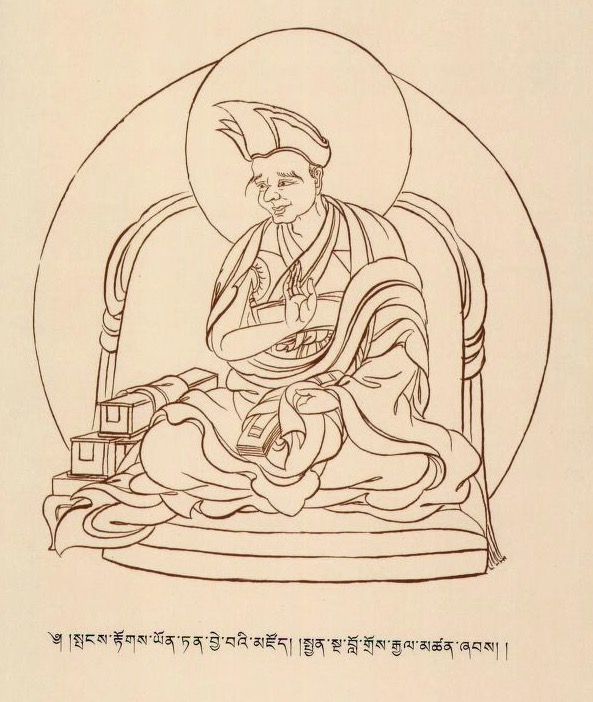
"Notes taken by Jamyang Chöje during the extensive teachings on the Compendium of Training by Je Rinpoche [Tsongkhapa] at Reting Monastery."

Garland of Ambrosial Rays of Altruism is a condensed practical guide by Changkya Rölpai Dorje to the bodhisattva vow, composed in accordance with Tsongkhapa's teachings. Structured in four parts, it covers how to properly take the vow, how to guard it once taken, how to restore it if transgressed, and the benefits of upholding it. The bulk of the text is a detailed enumeration of the vow's infractions — nineteen root infractions (defeats) drawn from Maitreya's Bodhisattva Ground and Śāntideva's Compendium of Training, and forty-five or forty-six secondary misdeeds — explaining for each what mental states and actions constitute a violation, what factors make it more or less serious, and what circumstances exempt a practitioner from fault. The overall intent is practical and ethical: to give bodhisattvas a clear and actionable map of the precepts so they can uphold them carefully, purify transgressions when they occur, and thereby progress toward enlightenment for the benefit of all beings.

In The Sun That Illuminates the Excellent Path of the Great Vehicle, Thüken identifies Asaṅga's Bodhisattvabhūmi as the highest form of a "meaning commentary" (don 'grel). He argues that its primary function is not to be read in isolation, but to be studied as an essential companion to foundational texts like the Ornament of Mahāyāna Sūtras. According to Thüken, the Bodhisattvabhūmi brilliantly supplements these other works by expanding on abbreviated topics, clarifying difficult points, and, most importantly, reframing abstract concepts from the direct perspective of a practitioner.

Basic advice on mental training in Mahāyāna. (BDRC). Focuses on how to strengthen altruism. (Jinpa 2026)
.jpg)
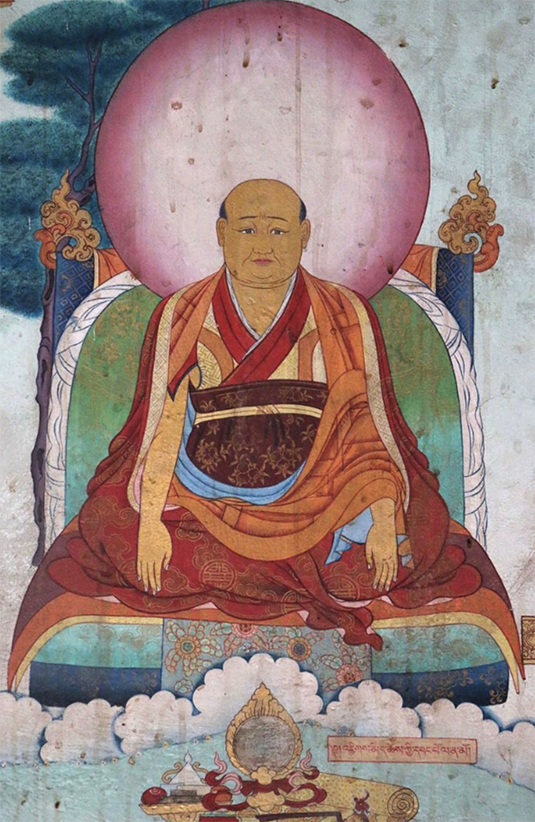
A Brief Presentation of Essential Practice of the Bodhisattva Precepts is a concise verse text presenting the complete framework of the bodhisattva path and vow in seven topics: the lineage and origin of the teachings, the benefits of bodhicitta, its essence and etymology, its divisions, how to receive the vow, and the actual precepts. The heart of the text is a detailed but compact treatment of the precepts themselves, organized around the threefold ethics of restraint (avoiding root infractions), gathering virtue (the six perfections and mind training practices including the four immeasurables, equalizing and exchanging self and others, and the four dark and light factors), and working for the welfare of others. Throughout, the text emphasizes mindfulness and meta-awareness as the essential tools for upholding the vow, and grounds the entire practice in the motivation of bodhicitta — the wish to attain buddhahood for the benefit of all beings. The tone is systematic and practical, drawing on Maitreya, Asaṅga, Śāntideva, and the lamrim tradition, and concluding with aspirational verses dedicating the merit to all beings.
Categories:
- Pages asking for redirects creation
- Library Items
- Tibetan Publications
- Tsong kha pa
- Thogs med bzang po
- Tshe mchog gling ye shes rgyal mtshan
- Dpal sprul rin po che
- Rgyal tshab rje dar ma rin chen
- Lcang skya rol pa'i rdo rje
- Tukwan, 3rd
- Jinpa, Thupten
- Institute of Tibetan Classics
- Topic: The Bodhisattva Doctrine
- Decade: 2000s