No edit summary |
No edit summary |
||
| Line 1: | Line 1: | ||
{{BilingualCommentary | {{BilingualCommentary | ||
|TileDescription=Read a fully bilingual presentation of Mipham's famous commentary on ''Wisdom'', The [[Nor bu ke ta ka]], including root verses, translated by [[Padmakara Translation Group]]'s [[Helena Blankleder]] and [[Wulstan Fletcher]] in 2017. This book was published with the translations of three texts, to round out the philsophical discussions, still of interest today: | |TileDescription=Read a fully bilingual presentation of Mipham's famous commentary on ''Wisdom'', The [[Nor bu ke ta ka]], including root verses, translated by [[Padmakara Translation Group]]'s [[Helena Blankleder]] and [[Wulstan Fletcher]] in 2017. This book was published with the translations of three texts, to round out the philsophical discussions, still of interest today: | ||
1) ཤེས་རབ་ལེའུའི་ཚིག་དོན་གོ་སླ་བར་རྣམ་པར་བཤད་པ་ནོར་བུ་ཀེ་ཏ་ཀ། (མི་ཕམ་རྒྱ་མཚོ་ 1846 - 1912) (''The Ketaka Jewel: An Easy to Understand Explanation of the Words and Meaning of the Wisdom Chapter'') | *1) [[Books/The_Wisdom_Chapter/Bilingual/The_Ketaka_Jewel|ཤེས་རབ་ལེའུའི་ཚིག་དོན་གོ་སླ་བར་རྣམ་པར་བཤད་པ་ནོར་བུ་ཀེ་ཏ་ཀ།]] (མི་ཕམ་རྒྱ་མཚོ་ 1846 - 1912) (''The Ketaka Jewel: An Easy to Understand Explanation of the Words and Meaning of the Wisdom Chapter'') | ||
2) ཟབ་མོ་དབུ་མའི་གནད་ཅུང་ཟད་བརྗོད་པ་བློ་གསལ་དགའ་བའི་གཏམ་ཞེས་བྱ་བ་མི་ཕམ་རྣམ་རྒྱལ་ལ་ཀླན་ཀ་བགྱིས་པ་དང་པོ། (བྲག་དཀར་སྤྲུལ་སྐུ་ 1866 - 1928) (''A Pleasurable Discourse for Those of Clear Understanding'') | *2) [[Books/The_Wisdom_Chapter/Bilingual/A_Pleasurable_Discourse|ཟབ་མོ་དབུ་མའི་གནད་ཅུང་ཟད་བརྗོད་པ་བློ་གསལ་དགའ་བའི་གཏམ་ཞེས་བྱ་བ་མི་ཕམ་རྣམ་རྒྱལ་ལ་ཀླན་ཀ་བགྱིས་པ་དང་པོ།]] (བྲག་དཀར་སྤྲུལ་སྐུ་ 1866 - 1928) (''A Pleasurable Discourse for Those of Clear Understanding'') | ||
3) བརྒལ་ལན་ཉིན་བྱེད་སྣང་བ། (མི་ཕམ་རྒྱ་མཚོ་ 1846 - 1912) (''Light of the Day Star: Answers to Objections'') | *3) [[Books/The_Wisdom_Chapter/Bilingual/LDS_-_Introduction|བརྒལ་ལན་ཉིན་བྱེད་སྣང་བ།]] (མི་ཕམ་རྒྱ་མཚོ་ 1846 - 1912) (''Light of the Day Star: Answers to Objections'') | ||
|Sections=Ketaka Jewel;LDS - Introduction;LDS - Question 1;LDS - Question 2;LDS - Question 3;LDS - Question 4;LDS - Question 5;LDS - Question 6;LDS - Question 7;LDS - Question 8;A Pleasurable Discourse | |Sections=Ketaka Jewel;LDS - Introduction;LDS - Question 1;LDS - Question 2;LDS - Question 3;LDS - Question 4;LDS - Question 5;LDS - Question 6;LDS - Question 7;LDS - Question 8;A Pleasurable Discourse | ||
}} | }} | ||
Revision as of 12:41, 5 March 2026
- Ketaka Jewel
- Light of the Day Star - Introduction
- Light of the Day Star - Question 1
- Light of the Day Star - Question 2
- Light of the Day Star - Question 3
- Light of the Day Star - Question 4
- Light of the Day Star - Question 5
- Light of the Day Star - Question 6
- Light of the Day Star - Question 7
- Light of the Day Star - Question 8
- A Pleasurable Discourse
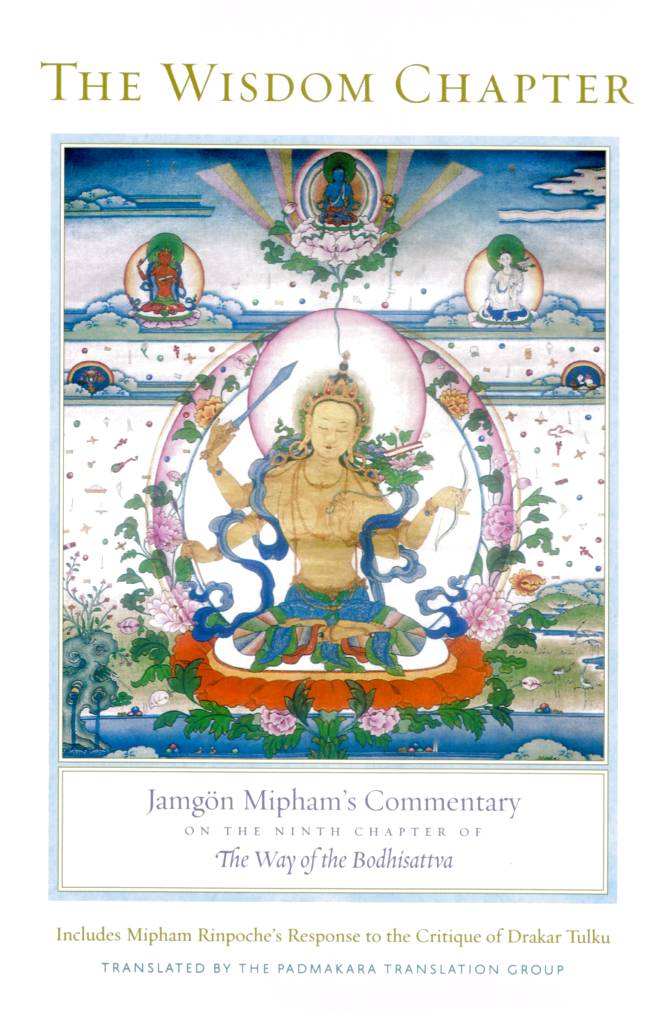
- 1) ཤེས་རབ་ལེའུའི་ཚིག་དོན་གོ་སླ་བར་རྣམ་པར་བཤད་པ་ནོར་བུ་ཀེ་ཏ་ཀ། (མི་ཕམ་རྒྱ་མཚོ་ 1846 - 1912) (The Ketaka Jewel: An Easy to Understand Explanation of the Words and Meaning of the Wisdom Chapter)
- 2) ཟབ་མོ་དབུ་མའི་གནད་ཅུང་ཟད་བརྗོད་པ་བློ་གསལ་དགའ་བའི་གཏམ་ཞེས་བྱ་བ་མི་ཕམ་རྣམ་རྒྱལ་ལ་ཀླན་ཀ་བགྱིས་པ་དང་པོ། (བྲག་དཀར་སྤྲུལ་སྐུ་ 1866 - 1928) (A Pleasurable Discourse for Those of Clear Understanding)
- 3) བརྒལ་ལན་ཉིན་བྱེད་སྣང་བ། (མི་ཕམ་རྒྱ་མཚོ་ 1846 - 1912) (Light of the Day Star: Answers to Objections)
Shāntideva’s guide to the training of a Bodhisattva is one of the most important and beloved texts in the Tibetan tradition. The ninth chapter, however, dealing with Madhyamaka, the Middle Way, the most profound wisdom view of Mahayana Buddhism, has always posed unique challenges to readers. This commentary by the great scholar Mipham Rinpoche presents in quite straightforward terms Shāntideva’s exposition of emptiness, the essential foundation of all Buddhist doctrine, demonstrating that it is not only compatible with, but in fact crucial to, the correct understanding of other important Buddhist teachings such as karma, rebirth, and the practice of compassion. Mipham interprets Shāntideva according to the view of the Nyingma school, which in some respects was at variance with the religiously and politically dominant interpretation of the text in Tibet at that time. As a result, his commentary stirred up a furious debate. With the addition of a critique of Mipham Rinpoche’s view by a prominent scholar of the time, along with Mipham’s response, that debate is beautifully captured in this volume. (Source: Shambhala Publications)
