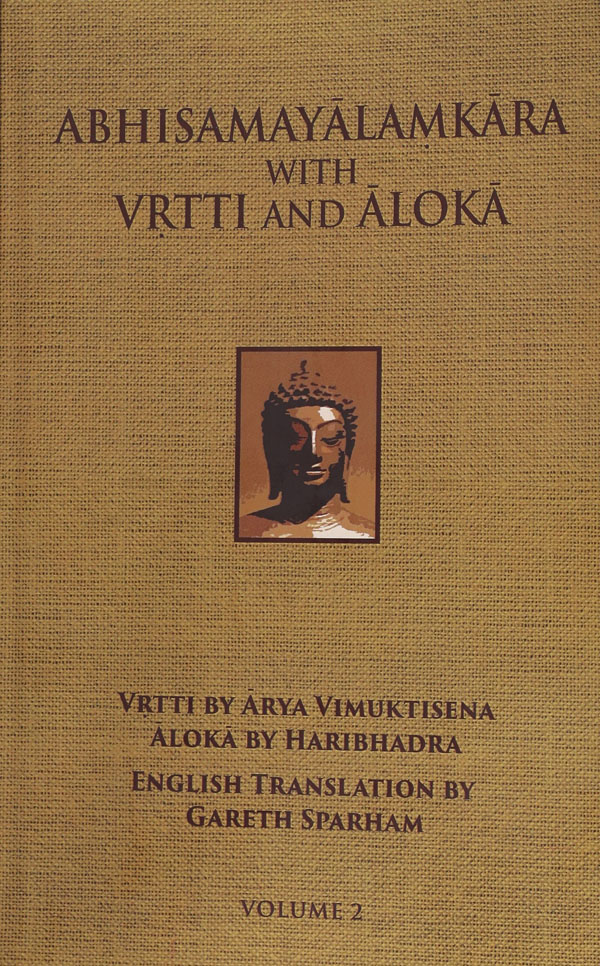
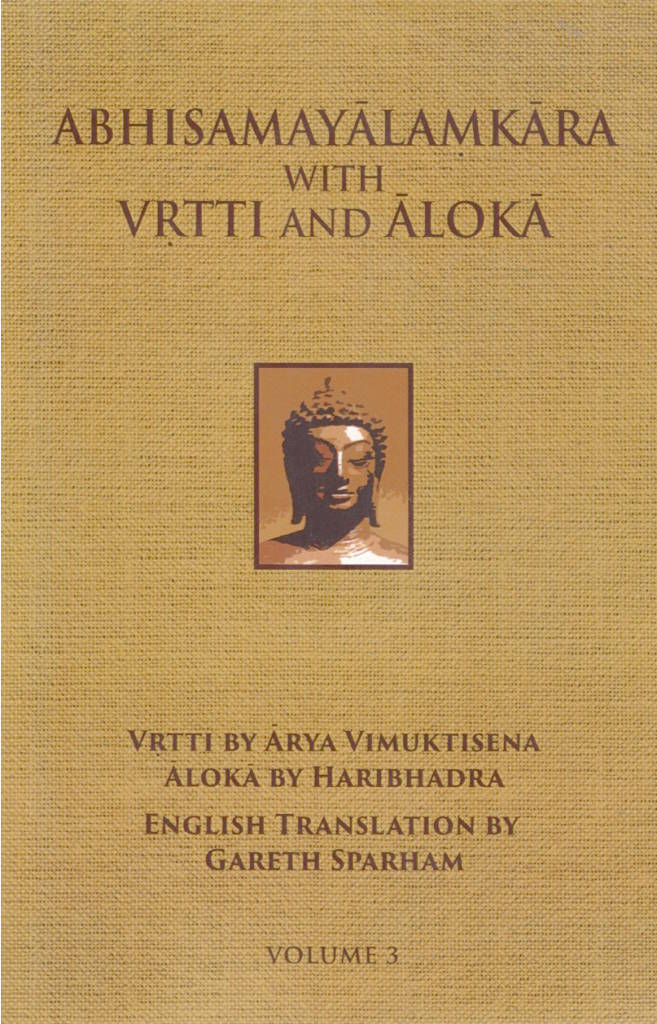
Āryāṣṭasāhasrikāprajñāpāramitāvyākhyānābhisamayālaṃkārālokanāma
Texts/Āryāṣṭasāhasrikāprajñāpāramitāvyākhyānābhisamayālaṃkārālokanāma
| 🤓 Admin Zone 🛠️ hidden to non-admins | |


Description


From ancient times, the origin of "tathāgata", which has been usually translated as 如 來 (one who comes thus), is not unknown. This has been used as the title of Buddha, chiefly in Buddhism from the start.
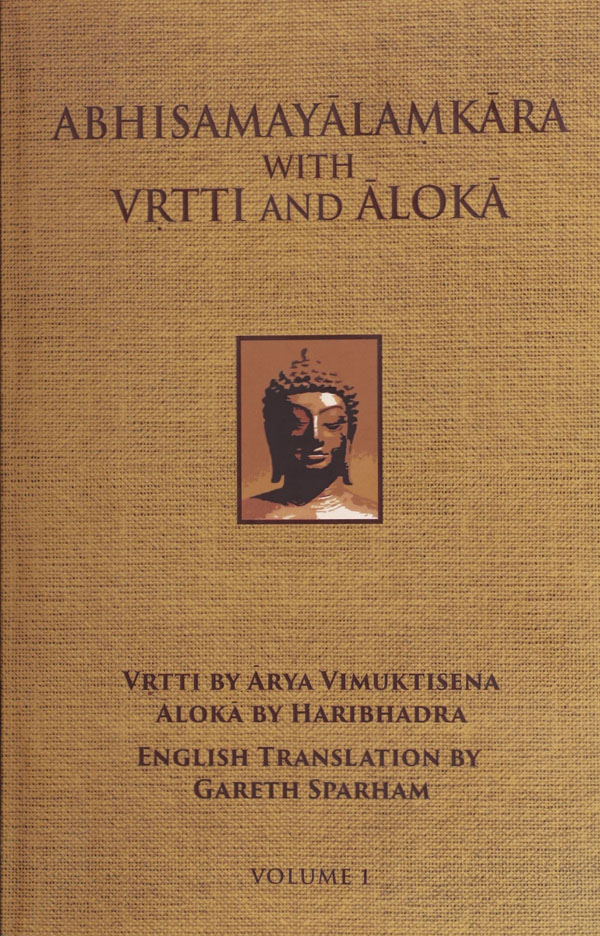
Now, I will consider the meaning of "tathāgata" in the Abhisamayālaṃkārālokā Prajñāpāramitā-vyākhyā of Haribhadra (ed. by Wogihara) (W.). This includes the Aṣṭasāhasrikā-Prajñāpāramitā-sūtra (As.), Maitreya's Abhisamayālaṃkāraśāstra-kārikā (A.) which is a summary of the Pañcaviṃśatisāhasrikā-Prajñāpāramitā-sūtra (P.), and Haribhadra's commentary which is based on the P. and the As. Accordingly at first, I point out sentences of "tathāgata", which I think as the etymological explanations, and then survey the character of it. (Mano, "'Tathāgata' in Haribhadra's Commentary," 22)

Prajñāpāramitā in his doxographical works and his Sāratamā. Based on extant Sanskrit and Tibetan primary sources, it argues that Ratnākaraśānti's main teacher was Dharmakīrtiśrī (late 10th C.E.) and that Ratnākaraśānti's Sāratamā sought to replace his teacher's Yogācāra-Mādhyamika framework with a causal explanation of Prajñāpāramitā through redefining the term Prajñāpāramitā as the path to awakening, rather than its goal. By unpacking that causal explanation in light of his broader system, the thesis demonstrates the way that Ratnākaraśānti's own version of Nirākāravādin-Yogācāra-Mādhyamika refutes cognitive images (ākāra) as unreal ultimately, but claims they are still perceived by buddhas out of compassion. This conclusion debunks the long-standing theory that Ratnākaraśānti was an Indian proponent of the controversial Tibetan gZhan-stong despite later gZhan-stong proponents' attempts to claim him as their own.
There are two parts to the study. The first part introduces Ratnākaraśānti's life, philosophy and doxography based upon evidence from a Tibetan colophon to his Mādhyamika commentary and the Tibetan hagiography of his student Adhīśa (a.k.a. Atiśa) and upon a comparative analysis of his doxographical works that are prerequisites for reading his Sāratamā. The second part consists of an annotated translation of the Sāratamā's introductory section, contrasted with the prior standard interpretation by Haribhadra's (9th century C.E.).
In the two appendices are included a Tibetan critical edition and a separate hybrid Sanskrit and Tibetan critical edition of the Sāratamā's first parivarta based on the extant 11th and 13th century incomplete MSS and on the Tibetan translations in the sDe dge, Peking and sNarthang editions. The hybrid edition also includes my
provisional critical edition of the root text—i.e. the first parivarta of the Āryāṣṭasāhasrikāprajñāpāramitāsūtra—and my own translation of two small sample sections of the Sāratamā, which are extant only in Tibetan, back into Sanskrit.
This work by Haribhadra was not only a key treatise of the late-8th-century Prajñāpāramitā-Madhyamaka synthesis within Indian Buddhism, but it was also a crucial source which shaped how Prajñāpāramitā philosophy was understood by generation after generation of Tibetan scholiasts.
Since the time of Rngog Io-tsa-ba Blo-Idan-shes-rab (1059-1109), the Prajñāpāramitā philosophy expounded in the Abhisamayālaṃkāra and its main commentaries such as Haribhadra's had been a fundamental topic for Tibetan scholars of Mahāyāna philosophy. Its study, together with the study of elementary dialectics (bsdus grwa) and Buddhist logic-epistemology (Pramāṇa, especially Dharmakīrti's Pramāṇaviniścaya), was considered in the tradition of Rngog's seminary Gsang-phu Ne'u-thog to be one of the three prerequisite subjects for Buddhist scholarship - this triad being sometimes referred to as phar tshad bsdus gsum. The fundamental importance of these subjects remains more or less unchanged today in the main surviving offshoot of that tradition — i.e. modern Dge-lugs-pa scholasticism.
Rong-ston's exegesis was the culmination of three centuries of intensive studies by scholars in the Gsang-phu Ne'u-thog and allied traditions, and it stands in the mainstream of Tibetan exegesis of this work. Not only did he receive detailed instruction on this subject during his early studies in the 1380s at Gsang-phu under Blo-gros-dbang-phyug, but he also studied it as a more mature scholar in the 1390s under the Sa-skya-pa teacher G.yag-ston Sangs-rgyas-dpal (1348–1414), a master of Prajñāpāramitā studies who at that time was almost unrivalled in this field. The lineage he received from G.yag-ston had been successively transmitted through such great masters as Tshad-ma'i-skyes-bu Bsod-nams-mgon, Bu-ston Rin-chen-grub (1290–1364), and G.yag-ston's teacher Sgra-tshad-pa Rin-chen-rnam-rgyal (1318–1388). (Jackson, introduction, I)From ancient times, the origin of "tathāgata", which has been usually translated as 如 來 (one who comes thus), is not unknown. This has been used as the title of Buddha, chiefly in Buddhism from the start.
Now, I will consider the meaning of "tathāgata" in the Abhisamayālaṃkārālokā Prajñāpāramitā-vyākhyā of Haribhadra (ed. by Wogihara) (W.). This includes the Aṣṭasāhasrikā-Prajñāpāramitā-sūtra (As.), Maitreya's Abhisamayālaṃkāraśāstra-kārikā (A.) which is a summary of the Pañcaviṃśatisāhasrikā-Prajñāpāramitā-sūtra (P.), and Haribhadra's commentary which is based on the P. and the As. Accordingly at first, I point out sentences of "tathāgata", which I think as the etymological explanations, and then survey the character of it. (Mano, "'Tathāgata' in Haribhadra's Commentary," 22)