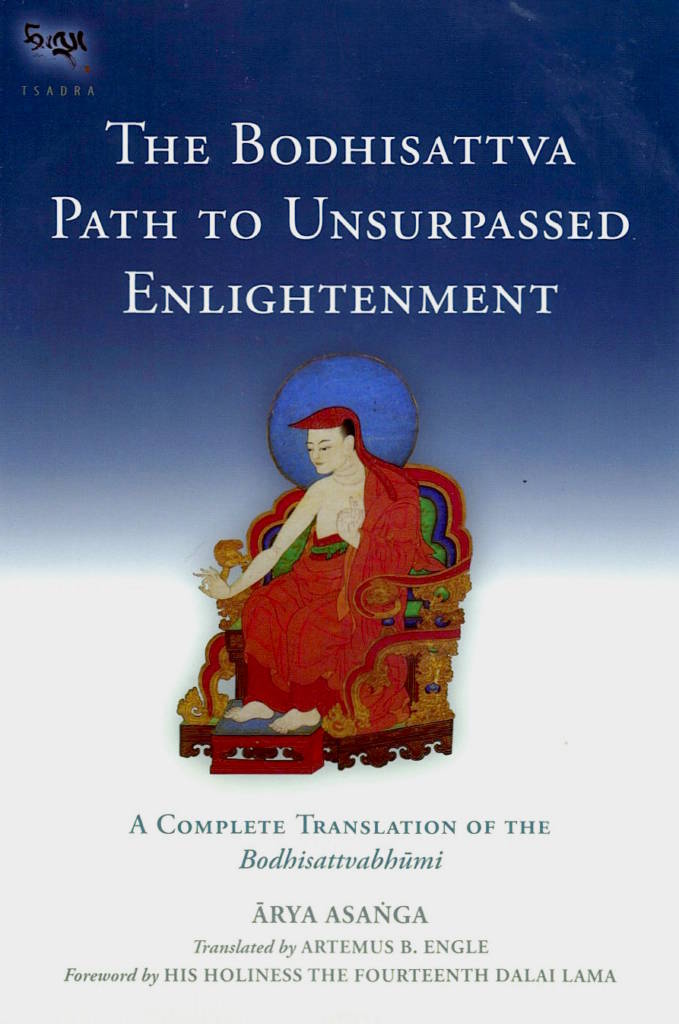
Artemus B. Engle on The Bodhisattva Path to Unsurpassed Enlightenment
From Bodhicitta
< MediaMedia/Artemus B. Engle on The Bodhisattva Path to Unsurpassed Enlightenment
| 🤓 Admin Zone 🛠️ hidden to non-admins | |
Artemus B. Engle on The Bodhisattva Path to Unsurpassed Enlightenment
Multimedia
Please note that many items in our library are simply pages that represent a detailed library catalog entry and citation of someone else's work, presentation, or performance. Read our General Disclaimer for more information.
Series: The Bodhisattvabhūmi Lectures (3 tracks)
Description
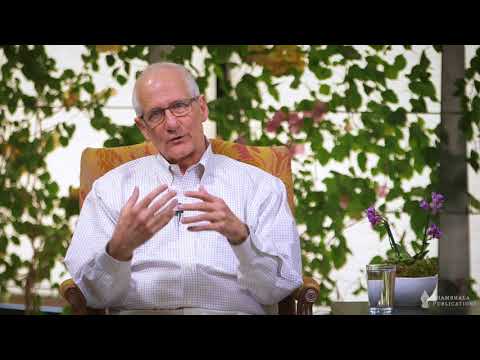
Artemus B. Engle talks about the Bodhisattvabhūmi by Asaṅga. This video is part of a video series that followed the release of his full English translation of the text titled The Bodhisattva Path to Unsurpassed Enlightenment.
Citation
Engle, Artemus B. "Artemus B. Engle on The Bodhisattva Path to Unsurpassed Enlightenment." Produced by Shambhala Publications Apr 21, 2018. Video, 10:51. https://www.youtube.com/watch?v=hYHFxWO6D2U.
Interconnections
2 Scholarly presentation about

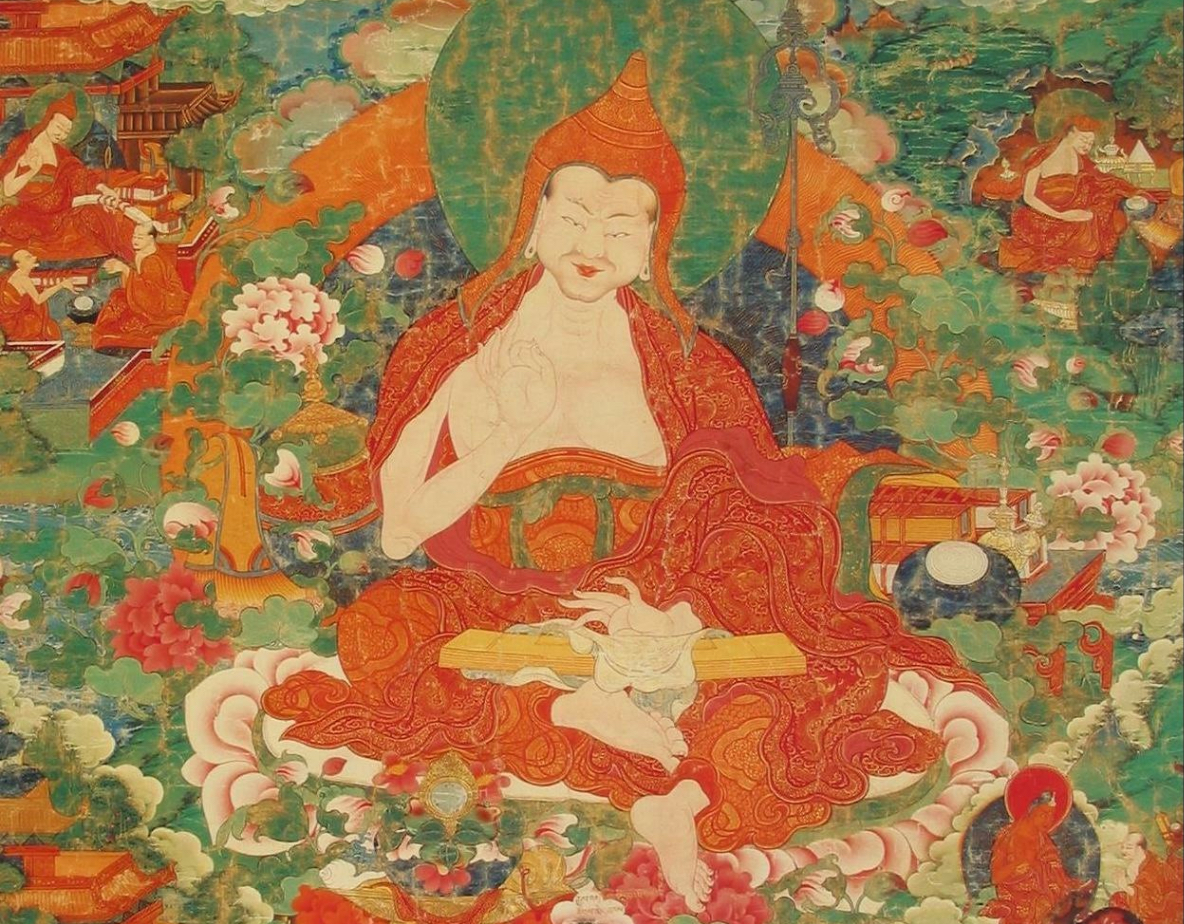
Ārya Asanga’s Bodhisattvabhūmi, or The Stage of a Bodhisattva, is the Mahāyāna tradition’s most comprehensive manual on the practice and training of bodhisattvas—by the author’s own account, a compilation of the full range of instructions contained in the entire collection of Mahāyāna sutras. A classic work of the Yogācāra school, it has been cherished in Tibet by all the historical Buddhist lineages as a primary source of instruction on bodhisattva ethics, vows, and practices, as well as for its summary of the ultimate goal of the bodhisattva path—supreme enlightenment.
Despite the text’s seminal importance in the Tibetan traditions, it has remained unavailable in English except in fragments. Engle’s translation, made from the Sanskrit original with reference to the Tibetan translation and commentaries, will enable English readers to understand more fully and clearly what it means to be a bodhisattva and practitioner of the Mahāyāna tradition. (Source: Shambhala Publications)
.jpg)
The Bodhisattvabhūmi (literally "The Stage of a Bodhisattva") stands as one of the most comprehensive and systematic expositions of the Mahāyāna Buddhist path from classical India. Formally the fifteenth section of the massive Yogācārabhūmi corpus, this foundational treatise provides an encyclopedic manual detailing the entire spiritual trajectory of a bodhisattva—from the initial arising of the "mind of awakening" (bodhicitta) to the ultimate attainment of perfect buddhahood.
Traditionally attributed to Ārya Asaṅga (c. fourth–fifth century CE) through revelation from the future buddha Maitreya, the text likely represents a compilation of earlier materials (c. 230–300 CE) that predates the fully developed Yogācāra philosophical system. Its existence in multiple Chinese translations from the early fifth century onward confirms its early date and widespread influence across Asian Buddhism.