- [[<span class="smw-highlighter" data-type="4" data-state="inline" data-title="Warning" title="Some use of "|]]
- "
- In your query was not closed by a matching "
- "
- [[.">Some use of "" in your query was not closed by a matching "".|]]
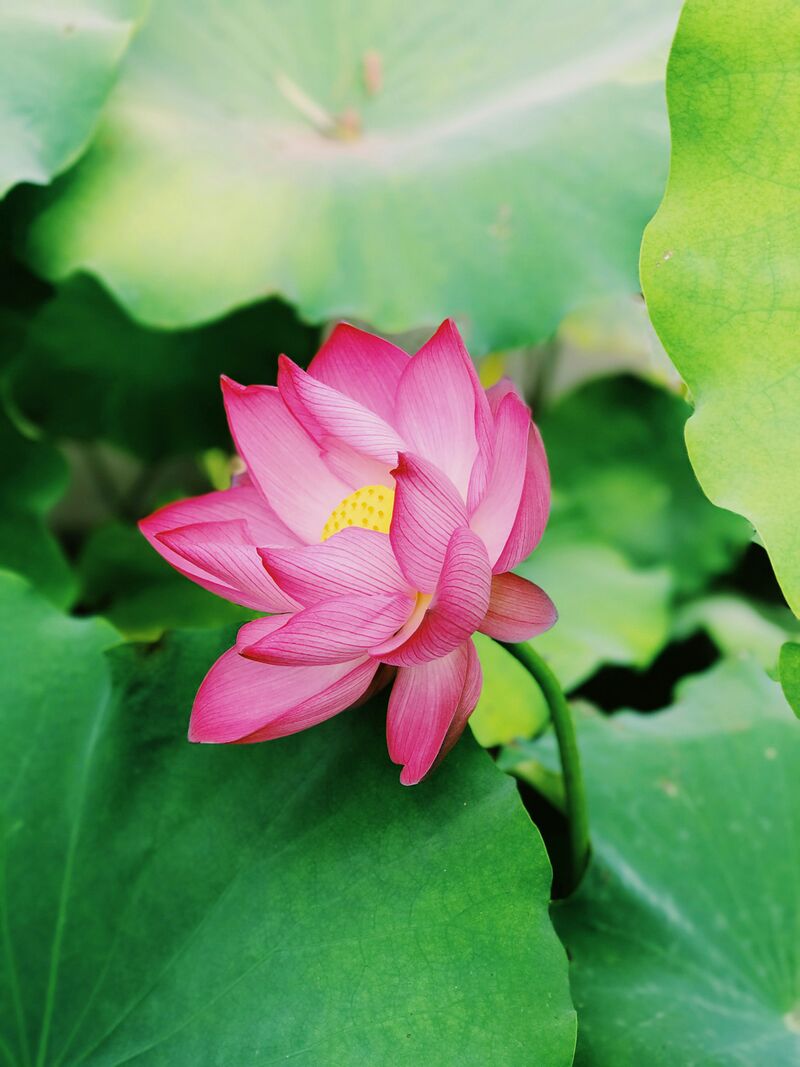
In chapter 8–15, Śāntideva turns to the topic of purification and discusses the various practices bodhisattvas can engage in to purify themselves of sinful actions and afflictive emotions. These actions include: confession and atonement, the practice of patience, putting forth effort in study and learning, purifying the mind through meditation, and applying the mind to the practice of mindfulness.
Chapter 15: Purification of Possessions and Merit
Continuing the discussion of purification, the third of the four main activities discussed in this book, Śāntideva argues that a bodhisattva who is a householder must seek a right and wholesome livelihood to make his possessions or enjoyments pure. He should not conduct his body out of hypocrisy, such as having a very disciplined comportment when seen by patrons, but should behave with genuine humility and placidity. He should not conduct his speech with ingratiation, such as speaking humbly and softly in order to gain something, but should speak with genuine politeness and softness. He should not conduct his mind with sycophancy, such as pretending to be content in the eyes of patrons, but should have genuine contentment and love. A bodhisattva must avoid all five forms of unethical gains, avoid taking what was offered to a stūpa, scripture, or a sangha, avoid taking what was not given, and be free from attachment. He must not greedily own, cherish, and preserve possessions but give away the things to others, only to be used by himself occasionally without attachment and clinging. Such a bodhisattva can automatically avoid the impurity of possessions.
The purity of merit can be achieved through the awareness of emptiness which is endowed with compassion. The Treasury of Space Sūtra (Skt. Gaganagañjasūtra) states that giving is pure if one gives without clinging to the self or to what belongs to self, gives without characterization, gives without expectation of return or result but with pure motivation, pure view, and a mind which, like space, is open, boundless, pervasive, and nonconceptual. Giving is pure when given with the wisdom which eliminates the afflictive emotions of sentient beings and with compassion which does not forsake sentient beings. With such purity, wisdom, and compassion, a bodhisattva may even give alcohol and weapons depending on its benefit and circumstances.
Similarly, the discipline of a bodhisattva is pure when observed without separation from bodhicitta and with the aim to purify sentient beings. Discipline which, like space, is stainless, peaceful, incorruptible, and indestructible is pure discipline. Just as space is not upset, patience without any annoyance is pure patience. Just as the sala tree does not have the thought that it is being cut or is angry about it although someone may cut it, so too a bodhisattva will not have the notion of harm while observing pure patience. Pure effort is to engage in practice while also viewing the body to be like an optical illusion or a reflection, words to be inexpressible, and sentient beings to be in utter peace. To have the armor of loving-kindness while abiding in the sphere of compassion and pursuing emptiness with all aspects is pure meditation. Emptiness with all aspects refers to awareness of emptiness while also possessing the complete practice of giving, loving-kindness, compassion, joy, equanimity, mindfulness, introspection, and the many other values, principles, and practices associated with the Mahāyāna path to buddhahood. Such awareness of emptiness and the many other aspects of the Mahāyāna practice is both purified meditation and purified perfection of wisdom. Engaging in all forms of merit with such awareness, according to Śāntideva's formulation, amounts to the purification of merit.
Additional resources
Here we need to think about what would be particularly useful to the student/reader at this point. Link to key terms found in chapter one? Any thoughts?
The Compendium of Training
