Bhāvanākrama of Kamalaśīla (3 of 3)/Full text
From Bodhicitta
< Texts | Bhāvanākrama of Kamalaśīla (3 of 3)(Redirected from Bhāvanākrama 3)
Texts/Bhāvanākrama of Kamalaśīla (3 of 3)/Full text
Texts/Bhāvanākrama of Kamalaśīla (3 of 3)/Full text
भावनाक्रम
Bhāvanākrama of Kamalaśīla (3 of 3)
Stages of Meditation 3 of 3
FULL TEXT
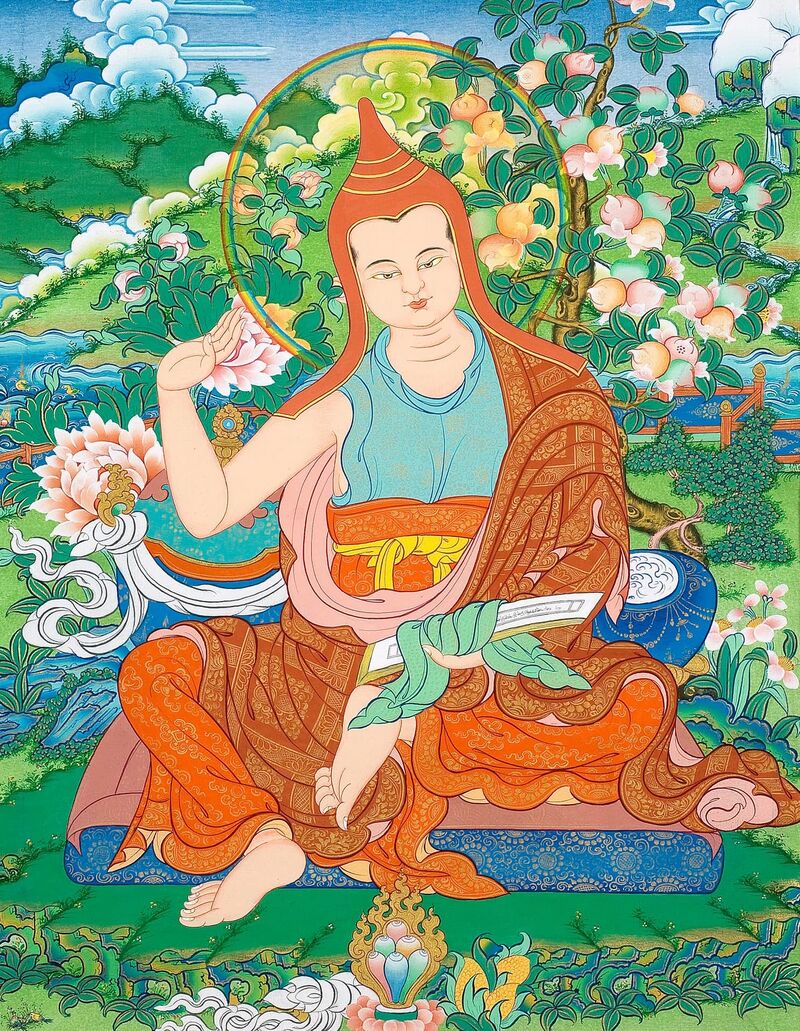
Description
The third and briefest of the Bhāvanākrama is devoted especially to the topics of śamatha and vipaśyanā, how each is cultivated, and how they are ultimately unified. Kamalaśīla argues that analysis (vicāra) into the lack of self (ātman) in both persons (pudgala) and phenomena (dharma) is required to arrive at a nonconceptual state of awareness. The three texts are widely cited in later Tibetan Buddhist literature, especially on the process for developing śamatha and vipaśyanā. (Source: "Bhāvanākrama." In The Princeton Dictionary of Buddhism, 112–13. Princeton University Press, 2014. http://www.jstor.org/stable/j.ctt46n41q.27.)
| Reference | Kamalaśīla (པདྨའི་ངང་ཚུལ་). bhāvanākrama [भावनाक्रम]. bsgom pa'i rim pa [བསྒོམ་པའི་རིམ་པ]. [Stages of Meditation 3 of 3]. Tengyur, RKTST 4230 http://www.rkts.org/cat.php?id=4230&typ=2. |
|---|---|
| People | Kamalaśīla, Yeshe De, Prajñāvarman |
