The Ethics of Vegetarianism with Geoff Barstow
From Bodhicitta
< Media(Redirected from The Ethics of Vegetarianism with Geoff Barstow)
Media/The Ethics of Vegetarianism with Geoff Barstow
Media/The Ethics of Vegetarianism with Geoff Barstow
| 🤓 Admin Zone 🛠️ hidden to non-admins | |
The Ethics of Vegetarianism with Geoff Barstow
Multimedia
Please note that many items in our library are simply pages that represent a detailed library catalog entry and citation of someone else's work, presentation, or performance. Read our General Disclaimer for more information.
Description
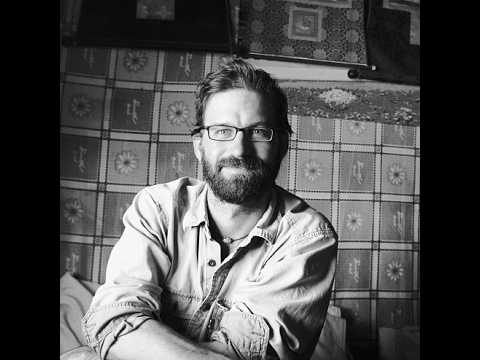
Geoffrey Barstow joins us for this in depth discussion of vegetarianism, ethics, and specifically the debates about it found in the Tibetan Buddhist traditions.
Learn more about Geoffrey Barstow at https://thelostyak.com
Find his books at: https://cup.columbia.edu/book/food-of-sinful-demons/9780231179966/ https://wisdomexperience.org/product/the-faults-of-meat/
Partial List of Topics in Chronological Order: 0:00 Introduction 3:34 Introduction to Geoffrey Barstow 7:25 Conversation with Geoff begins
- Geoff's background
- Studying Tibetan language
- How Geoff is both a Scholar and a Practitioner
- No one believes in myth of academic impartiality
- 2 Books on Vegetarianism and Buddhism
- First book is an Attempt to make sense of vegetarianism in the Tibetan context
- Using Buddhist positions to critique idea of lone gun man doing ego driven science
- How he got interested in vegetarianism
- How he went to Kham, Eastern Tibet and interviewed scholars and monks about eating meat
- 3 Levels of Vows in the Tibetan Buddhist traditions: Individual Liberation, Bodhisattva, Tantric.
- How vegetarianism was an issue in Tibetan for at least 1,000 years
- Being Vegetarian was seen as unhealthy - and seen then as an ascetic practice that someone could choose to do for the dharma but was a kind of sacrifice.
- Separation between buying and killing animals - and debate about this
- Not causing harm by eating less - or mitigate the harm through buying more 'humanely' raised meat
- Most chickens never see day light - they have very difficult lives
- Role of family and culture and tradition in eating meat
- Value in reducing the amount of meat you eat
- How we can't escape causing some harm
- The View sometimes expressed in Tibetan Buddhism that eating meat can be part of being a dharma practitioner because one forms a karmic connection with the animal and Geoffrey's response to this view.
- The question of the conceptual division between 'human' and 'animals'
- How neuroscience has shown that animals and humans are not actually so distinct biologically.
Citation
Royce, Julian, and Geoff Barstow. "The Ethics of Vegetarianism with Geoff Barstow." Produced by Julian Royce for "A State of Mind Podcast" Jul 4, 2022. Video, 1:34:03. https://www.youtube.com/watch?v=PwkNrpjupUg.
Interconnections
