Sems nyid ngal gso

From Bodhicitta
< TextsTexts/Sems nyid ngal gso

🤓 Admin Zone 🛠️ hidden to non-admins
སེམས་ཉིད་ངལ་གསོ།
sems nyid ngal gso
Resting and Recuperating in the Nature of Mind
Text


Please note that many items in our library are simply pages that represent a detailed library catalog entry and citation of someone else's work, presentation, or performance. Read our General Disclaimer for more information.

Description

Finding Comfort and Ease in the Nature of Mind (Tib. སེམས་ཉིད་ངལ་གསོ་, Semnyi Ngalso, Wyl. sems nyid ngal gso) is the first volume of Longchenpa's Trilogy of Finding Comfort and Ease (Ngal gso skor gsum), a work within the Dzogchen tradition that covers both sūtra and tantra. It is a profound and comprehensive presentation of the Buddhist view and path that combines a scholastic expository method with direct pith instructions designed for serious practitioners. It can be considered to be a lamrim text in the Nyingma lineage, presenting the entire scope of the Buddhist view combined with pith instructions for pointing out the nature of one's mind. (Source: Rigpa Wiki)
Reference
Klong chen pa. sems nyid ngal gso [སེམས་ཉིད་ངལ་གསོ།]. [Resting and Recuperating in the Nature of Mind].
Interconnections
1 Full translations
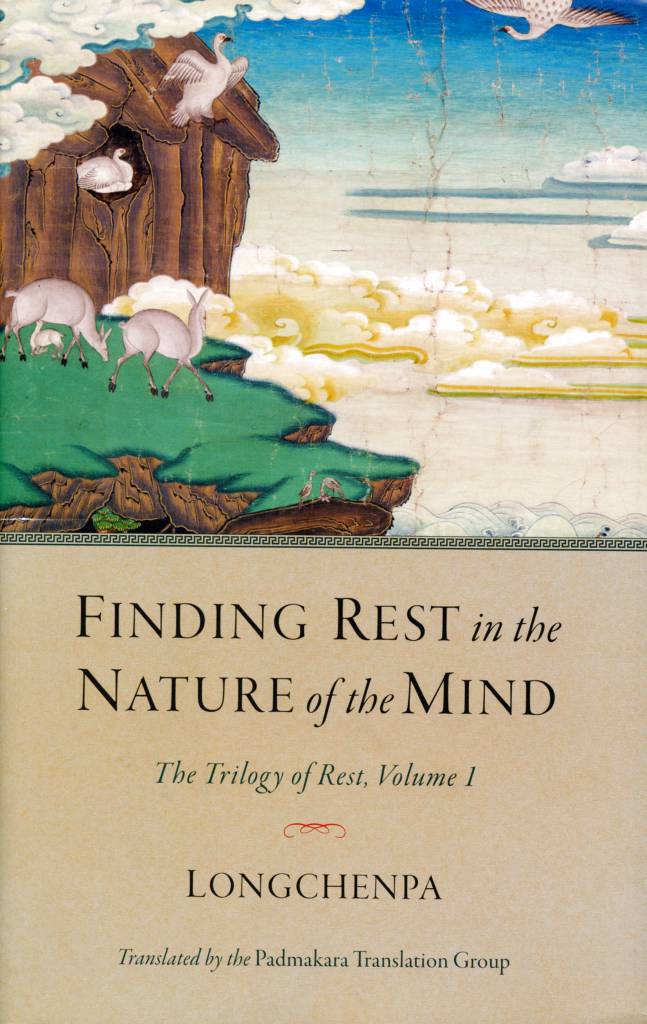
Finding Rest in the Nature of the Mind-front.jpg
Books2017About this item
Longchenpa’s classic Buddhist manual for attaining liberation teaches us how to familiarize ourselves with our most basic nature—the clear, pristine, and aware mind. Written in the fourteenth century, this text is the first volume of Longchenpa’s Trilogy of Rest, a work of the Tibetan Dzogchen tradition. This profound and comprehensive presentation of the Buddhist view and path combines the scholastic expository method with direct pith instructions designed for yogi practitioners.

This first part of the Trilogy of Rest sets the foundation for the following two volumes: Finding Rest in Meditation, which focuses on Tibetan Buddhist meditation practice, and Finding Rest in Illusion, which focuses on post-meditation yogic conduct. The Padmakara Translation Group has provided us with a clear and fluid new translation to Finding Rest in the Nature of the Mind along with selections from its autocommentary, The Great Chariot, which will serve as a genuine aid to study and meditation.

Here, we find essential instructions on the need to turn away from materialism, how to find a qualified guide, how to develop boundless compassion for all beings, along with the view of tantra and associated meditation techniques. The work culminates with pointing out the result of practice as presented from the Dzogchen perspective, providing us with all the tools necessary to traverse the Tibetan Buddhist path of finding rest.

Shambhala Publications

1 Classical commentaries
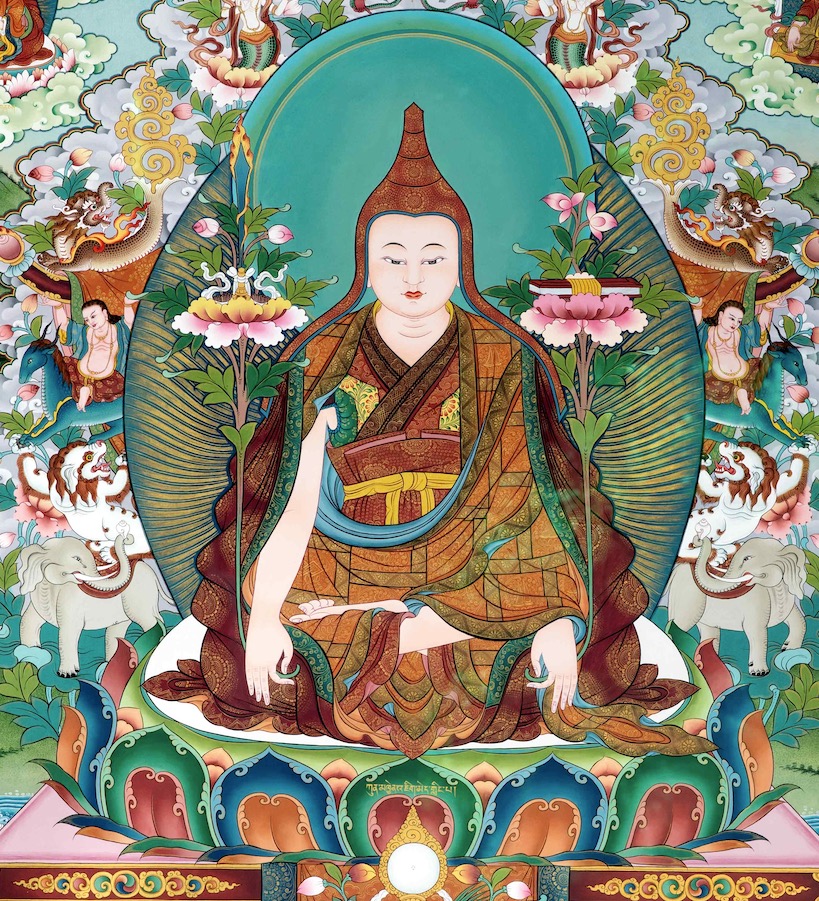
Longchenpa (central).jpg
Classical WorksAbout this item
In his Relaxation in the Nature of Mind and its auto-commentary the Great Chariot, Longchenpa deals with buddha-nature in the opening verse while paying homage to the ultimate truth, in chapter 9 while discussing the generation-stage- and completion-stage practices, and in chapter 10 on the topic of wisdom which comprehends the ground reality free from the two extremes. He presents buddha-nature as the ground maṇḍala, which forms the basis of temporary confusion, while at the same time being the uncontrived, unborn, unchanging nature of the mind to be realized on the path. Ordinary beings do not perceive this buddha-nature, but bodhisattvas on the stages see it partially and the buddhas see it fully. Longchenpa blends the sūtra presentation of buddha-nature with the esoteric exposition of the spontaneous primordial ground in the tantras. He uses terms such as essence, element, spiritual gene, innate mind, pristine wisdom, vajra mind, primordial ground, the ultimate, ground gnosis, sphere of reality, Middle Way, nondual truth, thatness, Perfection of Wisdom, etc., to refer to the same luminous nature of mind which is buddha-nature.
2 Teachings
3 A topic of
Finding Rest in the Nature of the Mind-front.jpg
Books2017About this item
Longchenpa’s classic Buddhist manual for attaining liberation teaches us how to familiarize ourselves with our most basic nature—the clear, pristine, and aware mind. Written in the fourteenth century, this text is the first volume of Longchenpa’s Trilogy of Rest, a work of the Tibetan Dzogchen tradition. This profound and comprehensive presentation of the Buddhist view and path combines the scholastic expository method with direct pith instructions designed for yogi practitioners.

This first part of the Trilogy of Rest sets the foundation for the following two volumes: Finding Rest in Meditation, which focuses on Tibetan Buddhist meditation practice, and Finding Rest in Illusion, which focuses on post-meditation yogic conduct. The Padmakara Translation Group has provided us with a clear and fluid new translation to Finding Rest in the Nature of the Mind along with selections from its autocommentary, The Great Chariot, which will serve as a genuine aid to study and meditation.

Here, we find essential instructions on the need to turn away from materialism, how to find a qualified guide, how to develop boundless compassion for all beings, along with the view of tantra and associated meditation techniques. The work culminates with pointing out the result of practice as presented from the Dzogchen perspective, providing us with all the tools necessary to traverse the Tibetan Buddhist path of finding rest.

Shambhala Publications