Studies on Early Vijñaptimātra Philosophy
From Bodhicitta
< Books
(Redirected from Studies on Early Vijñaptimātra Philosophy)Books/Studies on Early Vijñaptimātra Philosophy
| 🤓 Admin Zone 🛠️ hidden to non-admins | |
Studies on Early Vijñaptimātra Philosophy
Book
Please note that many items in our library are simply pages that represent a detailed library catalog entry and citation of someone else's work, presentation, or performance. Read our General Disclaimer for more information.

Description
Suguro's book presents a groundbreaking reexamination of early Yogācāra Buddhist philosophy, challenging the conventional understanding of how the school developed. Rather than accepting the traditional view that the Yogācāra school began with a unified set of teachings from Maitreya, Asaṅga, and Vasubandhu that later branched into different interpretations, Suguro argues that early Vijñaptimatra philosophy was inherently diverse and fluid from its inception. He contends that what scholars have attributed to these founding figures actually represents a collection of varied doctrinal strands that were brought together over time, rather than a coherent system created by individual authors. The book addresses the significant problem of uncertain authorship among the seven major treatises traditionally attributed to Maitreya, noting that different Buddhist traditions (Chinese and Tibetan) assign these works to different authors entirely. Suguro proposes that to truly understand the fundamental structure of Vijñaptimatra theory, scholars must abandon the assumption of early doctrinal fixity and instead recognize that this philosophical tradition was still developing and evolving during its formative period. His methodology involves analyzing the philosophical content of these disputed texts and making comparative studies of their teachings to reconstruct the actual historical development of early Yogācāra thought.
Citation
Suguro, Shinjō. Studies on Early Vijñaptimātra Philosophy. Tokyo: Shunjūsha, 1989.
Table of contents
- Introduction
- Chapter 1. The Origin of the Treatises of Maitreya and Historical Problems
- 1. The Nature of the Problem-Interpreting the Legends
- 2. The Madhyantavibhāga
- 3. The Triśatikāyāḥ Prajñāpāramitāyāḥ Kārikāsaptatiḥ
- 4. The Āryabhagavatī-prajñāpāramitā-vajracchedika-saptārtha-ṭīkā (Appended)
- 5. The Mahāyānasūtrālaṁkāra
- 6. The Yogācārabhūmi
- 7. The Āryadeśanā-vikhyāpana-śāstra (Appended)
- 8. The Ratnagotravibhāga Mahāyanottaratantraśāstra
- 9. The Dharmadharmatāvibhāga
- 10. The Yogavibhāgaśāstra
- 11. The Abhisamayālaṁkāra
- 12. The Āryamahāratnakūṭa-dharmaparyāya-śatasāhasrika-parivarta-kāśyapa-parivarta-ṭīkā (Appended)
- Chapter 2. An Examination of the Formation of the Yogācārabhūmi and the Saṁdhinirmocanasūtra
- 1. The Yogācārabhūmi
- 2. The Saṁdhinirmocanasūtra
- Chapter 3. A Comparative Study of the Teachings of the Mahāyānasūtralaṁkāra, the Bodhisattvabhūmi, and the Mahāyānasaṁgraha from the Perspective of Textual History
- 1. The Mahāyānasūtralaṁkāra and the Bodhisattvabhūmi
- 2. The Mahāyānasūtralaṁkāra and the Mahāyānasaṁgraha
- i. (Main Section) A Comparative Study of the Verses Quoted in the Mahāyānasaṁgraha
- ii. (Appended Section) The Comparison of Verses Quoted in Prose Form
- iii. Comparison of Teachings Common to the Mahāyānasaṁgraha and the Abhidharmasamuccaya
- Chapter 4. The Mahāyānasaṁgraha and the Viniścaya-saṁgrahaṇī section of the Yogācārabhūmi
Interconnections
1 Scholarship on
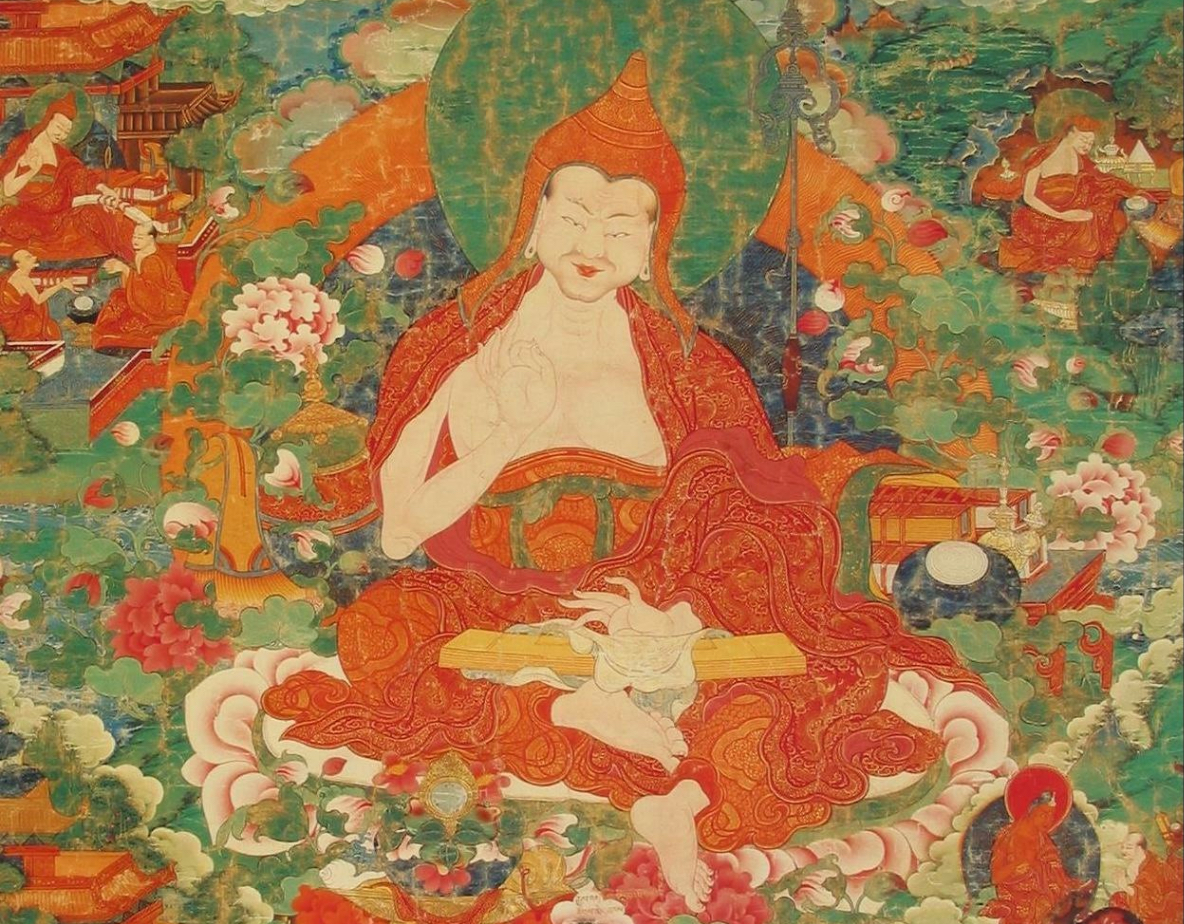
.jpg)
The Bodhisattvabhūmi (literally "The Stage of a Bodhisattva") stands as one of the most comprehensive and systematic expositions of the Mahāyāna Buddhist path from classical India. Formally the fifteenth section of the massive Yogācārabhūmi corpus, this foundational treatise provides an encyclopedic manual detailing the entire spiritual trajectory of a bodhisattva—from the initial arising of the "mind of awakening" (bodhicitta) to the ultimate attainment of perfect buddhahood.
Traditionally attributed to Ārya Asaṅga (c. fourth–fifth century CE) through revelation from the future buddha Maitreya, the text likely represents a compilation of earlier materials (c. 230–300 CE) that predates the fully developed Yogācāra philosophical system. Its existence in multiple Chinese translations from the early fifth century onward confirms its early date and widespread influence across Asian Buddhism.