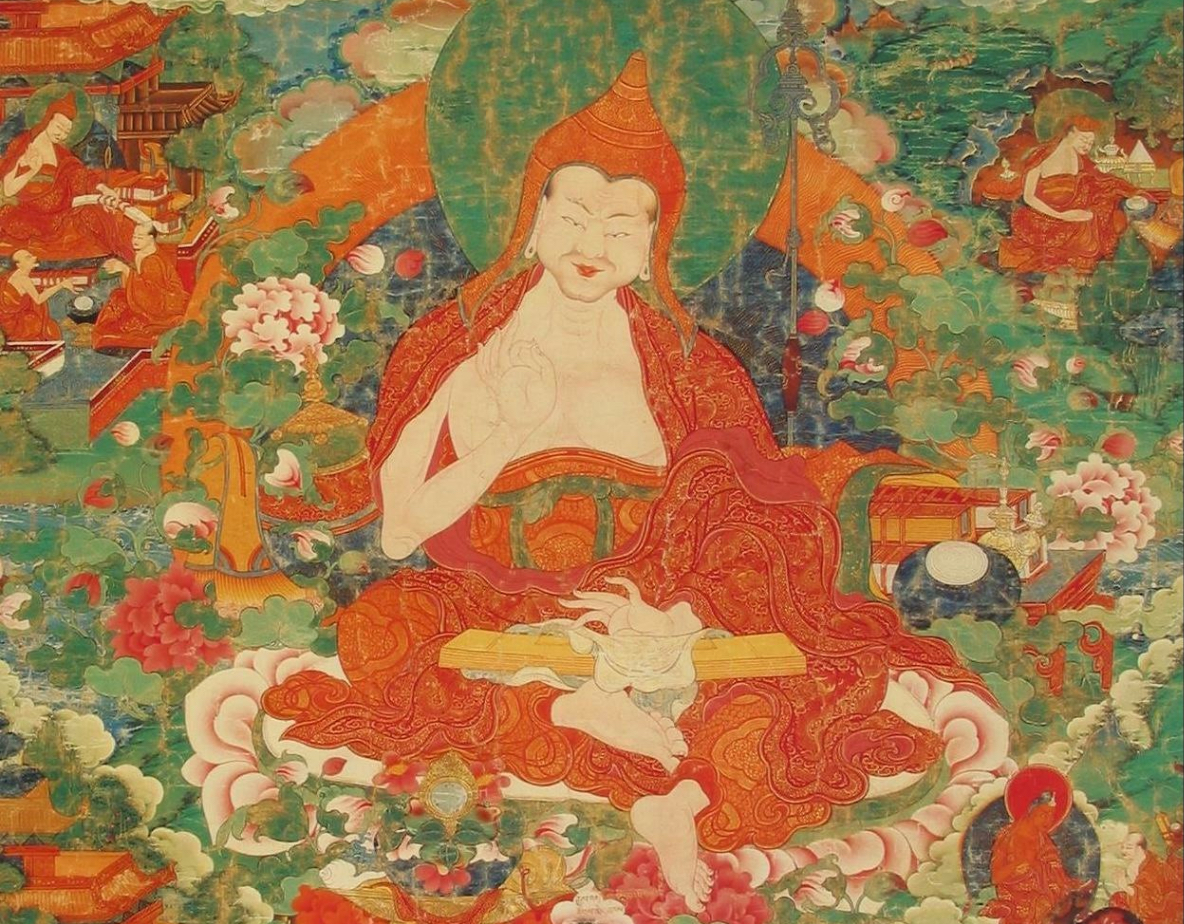
The
Bodhisattvabhūmi (literally "The Stage of a
Bodhisattva") stands as one of the most comprehensive and systematic expositions of the Mahāyāna Buddhist path from classical India. Formally the fifteenth section of the massive
Yogācārabhūmi corpus, this foundational treatise provides an encyclopedic manual detailing the entire spiritual trajectory of a
bodhisattva—from the initial arising of the "
mind of awakening" (
bodhicitta) to the ultimate attainment of perfect buddhahood.
Traditionally attributed to Ārya Asaṅga (c. fourth–fifth century CE) through revelation from the future buddha Maitreya, the text likely represents a compilation of earlier materials (c. 230–300 CE) that predates the fully developed Yogācāra philosophical system. Its existence in multiple Chinese translations from the early fifth century onward confirms its early date and widespread influence across Asian Buddhism.
The work's meticulously structured curriculum unfolds across three main books: The Support (
ādhāra), the foundational prerequisites for the path; The Qualities That Accord with the Support (
ādhārānudharma), the progressive stages of development; and The Perfection of the Support (
ādhāraniṣṭhā), the ultimate fruition of buddhahood. At its philosophical heart lies the
Tattvārthapaṭala (Chapter on Reality), which articulates a nuanced doctrine of "rightly grasped
emptiness" that avoids both nihilism and eternalism. The text's longest and most influential section, the
Śīlapaṭala (Chapter on Morality), codifies the complete ethical discipline of
bodhisattvas through the famous system of bodhisattva precepts that became standard in Tibetan Buddhism.
འཕགས་པ་ཀླུ་སྒྲུབ་ཀྱིས་མཛད་པའི་
བྱང་ཆུབ་སེམས་ཀྱི་འགྲེལ་པ་ནི་བྱང་ཆུབ་ཀྱི་སེམས་དང་། སྙིང་རྗེའི་ངོ་བོ་ཇི་ལྟར་སྒོམ་པའི་ཐབས་ལམ་རྒྱས་པར་བཤད་པའི་གཞུང་ངོ་། །གཞུང་འདིར་དེ་བཞིན་གཤེགས་པ་ཐམས་ཅད་ཀྱི་གསང་བ་རྣལ་འབྱོར་ཆེན་པོ་རྣམ་པར་རྒྱལ་བ་དང་། རྒྱུད་ཀྱི་རྒྱལ་པོ་ཡེ་ཤེས་རྔམ་པ་གློག་གི་འཁོར་ལོའི་མདོར་བྱུང་བའི་གཞུང་ཚིག དངོས་པོ་ཐམས་ཅད་དང་བྲལ་བ། །ཕུང་པོ་ཁམས་དང་སྐྱེ་མཆེད་ཀྱི། །གཟུང་དང་འཛིན་པ་རྣམ་སྤངས་པ། །ཆོས་
བདག་མེད་པ་མཉམ་ཉིད་པས། །རང་སེམས་གདོད་ནས་མ་སྐྱེས་པ། །སྟོང་པ་ཉིད་ཀྱི་རང་བཞིན་ནོ། །ཞེས་དྲངས་ནས་སངས་རྒྱས་དང་། བྱང་ཆུབ་སེམས་དཔའ་རྣམས་ཀྱིས་བྱང་ཆུབ་ཀྱི་སེམས་བསྐྱེད་པ་བཞིན། སེམས་ཅན་ཡོངས་སུ་མྱ་ངན་ལས་མ་འདས་པ་རྣམས་མྱ་ངན་ལས་བཟླ་བའི་ཕྱིར། དུས་འདི་ནས་བཟུང་ནས་བྱང་ཆུབ་སྙིང་པོར་མཆིས་ཀྱི་བར་དུ་བྱང་ཆུབ་ཀྱི་སེམས་བསྐྱེད་པ་དང་། བྱང་ཆུབ་སེམས་དཔའ་གསང་སྔགས་ཀྱི་ལམ་སྤྱོད་པ་རྣམས་ཀྱིས་ཀུན་རྫོབ་བྱང་ཆུབ་ཀྱི་སེམས་བསྐྱེད་ནས། དོན་དམ་བྱང་ཆུབ་ཀྱི་སེམས་བསྒོམ་པའི་སྟོབས་ཀྱིས་སེམས་བསྐྱེད་པར་བྱ་ཚུལ་གྱི་རང་བཞིན་བཤད། རྩ་བའི་དོན་སྙིང་ནི། བྱང་ཆུབ་ཀྱི་སེམས་རྣམ་པ་གཉིས་ཏེ། སྨོན་པའི་བྱང་ཆུབ་ཀྱི་སེམས་བསྐྱེད་དང་། འཇུག་པ་བྱང་ཆུབ་ཀྱི་སེམས་བསྐྱེད་ཇི་ལྟར་སྐྱེད་ཚུལ་གསལ། དེས་མ་ཟད་གཞུང་འདིར་སྙིང་རྗེ་ཆེན་པོ་སྒོམ་ཚུལ་དང་སེམས་ཅན་ལ་མཉམ་པར་འདུ་ཤེས་ཀྱིས་ལྟ་བའི་ཐབས་རྣམས་གསལ་བར་བསྟན། བདག་གཞན་བརྗེ་བའི་ལམ་དང་གཞན་དོན་དུ་བདག་གིས་སྡུག་བསྔལ་ལེན་པའི་ཐབས་ལམ་ཡང་བཤད། ཡང་བྱང་ཆུབ་སེམས་དཔའི་སྤྱོད་པ་ལ་སྟོང་པ་ཉིད་རྟོགས་དགོས་པ་གལ་ཆེ་བས་ཆོས་ཐམས་ཅད་རང་བཞིན་གྱིས་སྟོང་པར་རྟོགས་པས་སྙིང་རྗེ་དང་ཐབས་ཀྱི་སྤྱོད་པ་ཟུང་དུ་འཇུག་པར་འགྱུར་ཚུལ་གྱི་རྣམ་གཞན་རྣམས་གསལ། མདོ་མཚན་ཉིད་ཐེག་པ་དང་། སྔགས་ཀྱི་ཐེག་པ་གཉིས་ཀྱི་ལམ་ཉམས་སུ་ལེན་པའི་སྐབས་སེམས་བསྐྱེད་གཉིས་ཇི་ལྟར་སྐྱེད་ཚུལ་གྱི་སྐོར་གསལ། དེ་སྐད་གསལ་བ་ལྟར་སོ་སོའི་རྒྱུད་ལ་ཡང་དག་པར་རྫོགས་པའི་སངས་རྒྱས་ཀྱི་སར་བགྲོད་པར་གྱུར་པའི་རྒྱུ་གཅིག་པུ་བྱང་ཆུབ་ཀྱི་སེམས་རིན་པོ་ཆེ་བསྐྱེད་པའི་ཕན་ཡོན་དང་དགོས་པ། བྱང་ཆུབ་ཀྱི་སེམས་ཀྱི་གཉུག་མའི་རང་མདངས་ནི། གཞུང་ལས། རང་དང་གཞན་དོན་བསྒྲུབ་དོན་དུ། །སྲིད་ན་ཐབས་གཞན་ཡོད་མ་ཡིན། །བྱང་ཆུབ་སེམས་ནི་མ་གཏོགས་པར། །སངས་རྒྱས་ཀྱིས་སྔར་ཐབས་མ་གཟིགས། །བྱང་ཆུབ་སེམས་བསྐྱེད་ཙམ་གྱིས་ནི། །བསོད་ནམས་ཕུང་པོ་གང་ཐོབ་པ། །གལ་ཏེ་གཟུགས་ཅན་ཡིན་ན་ནི། །ནམ་མཁའ་གང་བ་ལས་ནི་ལྷག །སྐྱེས་བུ་གང་ཞིག་སྐད་ཅིག་ཙམ། །བྱང་ཆུབ་སེམས་ནི་སྒོམ་བྱེད་པ། །དེ་ཡི་བསོད་ནམས་ཕུང་པོ་ནི། །རྒྱལ་བ་ཡིས་ཀྱང་བགྲང་མི་སྤྱོད། །ཉོན་མོངས་མེད་པའི་རིན་ཆེན་སེམས། །འདི་ནི་ནོར་མཆོག་གཅིག་པུ་སྟེ། །ཉོན་མོངས་བདུད་སོགས་ཆོམ་རྐུན་གྱིས། །གནོད་མིན་འཕྲོག་པར་བྱ་བ་མིན། །ཇི་ལྟར་འཁོར་བར་སངས་རྒྱས་དང་། །བྱང་ཆུབ་སེམས་དཔའི་སྨོན་ལམ་ནི། །མི་གཡོ་དེ་ལྟར་བློ་ཉིད་ནི། །བྱང་ཆུབ་སེམས་གཞོལ་རྣམས་ཀྱིས་བྱ། །ངོ་མཚར་གྱིས་ཀྱང་ཁྱེད་ཅག་གིས། །ཇི་ལྟར་བཤད་པ་ལ་འབད་ཀྱི། །དེ་རྗེས་ཀུན་བཟང་སྤྱོད་པ་ནི། །རང་ཉིད་ཀྱིས་ནི་རྟོགས་པར་འགྱུར། །ཞེས་གསལ། མཐར་འཕགས་པ་ཀླུ་སྒྲུབ་ཀྱིས་བྱང་ཆུབ་ཀྱི་སེམས་རིན་པོ་ཆེ་སེམས་ཅན་ཐམས་ཅད་ཀྱི་རྒྱུ་ལ་སྐྱེད་པའི་སྨོན་ལམ་གྱིས་མཚམས་སྦྱར་ཏེ་གཞུང་འགྲེལ་རྫོགས་པར་གནང་། དེ་ལ་ཤོ་ལོ་ཀ་བརྒྱ་དང་བཅུ་གཉིས་བཞུགས། གཞུང་གི་མཛད་བྱང་དང་འགྱུར་བྱང་ནི། བྱང་ཆུབ་སེམས་ཀྱི་འགྲེལ་པ་སློབ་དཔོན་བདག་ཉིད་ཆེན་པོ་འཕགས་པ་ཀླུ་སྒྲུབ་ཀྱིས་མཛད་པ་རྫོགས་སོ། །རྒྱ་གར་གྱི་མཁན་པོ་གུ་ཎ་ཨཱ་ཀ་ར་དང་། ལོ་ཙཱ་བ་རབ་ཞི་བཤེས་གཉེན་གཉེན་གྱིས་བསྒྱུར་ཅིང་ཞུས། །སླད་ཀྱི་རྒྱ་གར་གྱི་མཁན་པོ་ཀ་ན་ཀ་ཝ་རྨ་དང་། བོད་ཀྱི་ལོ་ཙཱ་བ་པ་ཚབ་ཉི་མ་གྲགས་ཀྱིས་བཅོས་པའོ། །ཞེས་སོ། །

.jpg)