| 🤓 Admin Zone 🛠️ hidden to non-admins | |
Bhikṣuṇī-Vinaya: Including Bhikṣuṇī-Prakīrṇaka and a Summary of the Bhikṣu-Prakīrṇaka of the Ārya-Mahāsāṃghika-Lokottaravādin
Book
Please note that many items in our library are simply pages that represent a detailed library catalog entry and citation of someone else's work, presentation, or performance. Read our General Disclaimer for more information.

Description
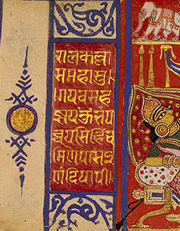
The present manuscript Bhikṣuṇī-Vinaya is a part of the Code of Disciplines of the Mahāsāṁghika-Lokottaravādin. Mahāsāṁghika-Lokottaravādin were an ancient Buddhist school which originated either in the reign of Kālāśoka in the first half of the 4th Century B.C. or in that of Aśoka in the 3rd Century B.C. Dr. Roth thinks that the Vinaya of the Mahāsāṁghika-Lokottaravādins may have been composed in the 3rd or 2nd Century B.C. What is more significant is that our manuscript is the only surviving purely Indian version of it. (Sinha, introduction)
Citation
Roth, Gustav, ed. Bhikṣuṇī-Vinaya: Including Bhikṣuṇī-Prakīrṇaka and a Summary of the Bhikṣu-Prakīrṇaka of the Ārya-Mahāsāṃghika-Lokottaravādin. Tibetan Sanskrit Works Series 12. Patna: K. P. Jayaswal Research Institute, 1970.
Table of contents
- Contents of Introduction
- Mahāsāṃghika and Mahāsāṃghika-LokottaravādinI. 1–9
- Discovery of the Mahāsāṃghika Vinaya in PāṭaliputraI. 1
- Different traditions about the split of the Buddhist Saṃgha into Mahāsāṃghika and SthaviraI. 2–4
- Spread of the MahāsāṃghikaI. 5–6
- The Mahāsāṃghika-Lokottaravādin in the Śāriputra-paripṛcchāsutra etc. and in the records of Hiuan-tsangI. 7
- Tibetan sources about the Mahāsāṃghika-LokottaravādinI. 8–9
- On the Bhikṣuṇī-Vinaya ManuscriptII. 1–8
- The available materialsII. 1
- R. Sāṅkṛtyāyana's information about the Bhi-Vin ManuscriptII. 2–3
- The script of the Bhi-Vin ManuscriptII. 4–8
- The Structure of the Bhikṣuṇī-Vinaya of the Mahāsāṃghika-LokottaravādinIII. 1–2
- The different Sections of the Bhikṣuṇī-VinayaIII. 1
- The Section of the Eight Guru-DharmaIII. 2–4
- The Section of the Bhikṣuṇī-Prātimokṣa-VibhaṅgaIII. 5–1
- The different disciplinary groups of the Bhikṣuṇī Prātimokṣa-VibhaṅgaIII. 5–6
- The disciplinary group of the Pārājika offensesIII. 7
- The term PrātimokṣaIII. 8
- Types of narrations included in the introductory portion of a Prātimokṣa caseIII. 9–1
- Position of Mahāprajāpatī Gautamī in the Bhikṣuṇī-Vinaya of the Mahāsāṃghika-Lokottaravādin, and in the disciplinary codes of other Buddhist SchoolsIII. 11–
- The Section of the Bhikṣuṇī-PrakīrṇakaIII. 13–
- The Mā-L Vinaya tradition, and the appearance of a later terminology: YogācāraIII. 15
- The Section of the Bhikṣu-PrakīrṇakaIII. 16–
- The different approaches to the cause of evil deeds to be observed in Buddhist, Jewish, and Christian Manuals of DisciplineIII. 18–21
- Notes on the Language of the Bhikṣuṇī-Vinaya of the Mahāsāṃghika-LokottaravādinIV. 1–10
- Reports about the language of the MahāsāṃghikaIV. 1
- The different shape of a verb form in repeated passagesIV. 2
- The Prakritic conjunction dāniIV. 3
- Case endings characteristic of our Bhikṣuṇī-VinayaIV. 4
- Aorist endings in our Bhi-VinIV. 5
- Pratiṣṭhihati and avacāmiIV. 6
- Verb forms of Vedic typeIV. 7
- Figures of styleIV. 8
- SandhiIV. 9
- Concluding note on the languageIV. 10
- List of Contents of Bhikṣuṇī-Vinaya
- Mahāprajāpatī-Gautamī's and Ānanda's efforts to move the Buddha to have women admitted into Order§§ 1–12
- Issue of the Aṣṭau Guru-Dharma (Eight Important Ordinances for Nuns)§§ 13–110
- Bhikṣuṇīnāṃ Prātimokṣa-Vibhaṅgaḥ (Commentary on the Prātimokṣa Disciplinary Rules for Nuns)
- 8 Pārājika-Dharma§§ 111–137
- 19 Saṃghātiśeṣa-Dharma§§ 138–172
- 30 Niḥsargika-Pācattika-Dharma§§ 173–182
- 141 Pācattika-Dharma§§ 183–251
- 8 Prātideśanika-Dharma§ 252
- 66 Śaikṣa-Dharma§ 253
- 7 Adhikaraṇa-Śamatha-Dharma§ 254
- 2 Dharma-Anudharma§ 254
- Bhikṣuṇī-Prakīrṇakam 1–50 (Miscellaneous about Nuns)§§ 255–293
- Bhikṣu-Prakīrṇakaṃ 1–141 in 14 vargoddāna (Miscellaneous about Monks)§§ 294–296
Interconnections
1 Scholarship on

The Bhikṣuprakīrṇaka ("Miscellany Concerning Monks") is a lost Mahāsāṃghika-Lokottaravādin Vinaya text, known directly only through a fragmentary Sanskrit citation preserved in Śāntideva's Śikṣāsamuccaya (Ch. 7, ed. Bendall 154.17–155.3). The cited passage recounts the Buddha instructing Ānanda to wash the soiled robes of a sick monk, illustrating the duty of monks to care for one another. Parallel accounts of the same episode survive independently in the Chinese Mahāsāṃghika-Vinaya (Taishō 1425) and the Pāli Mahāvagga (VIII.26.2), though neither is a direct witness to the Bhikṣuprakīrṇaka itself. A companion text for nuns, the Bhikṣuṇīprakīrṇaka, survives in abridged form (headings only) within a Sanskrit manuscript of the Bhikṣuṇī-Vinaya recovered from Tibet, edited by Gustav Roth (1970); no comparably abridged or complete witness of the Bhikṣuprakīrṇaka itself has been identified. Rāhula Sāṅkṛtyāyana reported deciphering a fuller manuscript of the Bhikṣuprakīrṇaka among materials he photographed in Tibet (c. 1954), but this has not been traced or published since.