Jamgön Kongtrul Lodrö Taye
From Bodhicitta


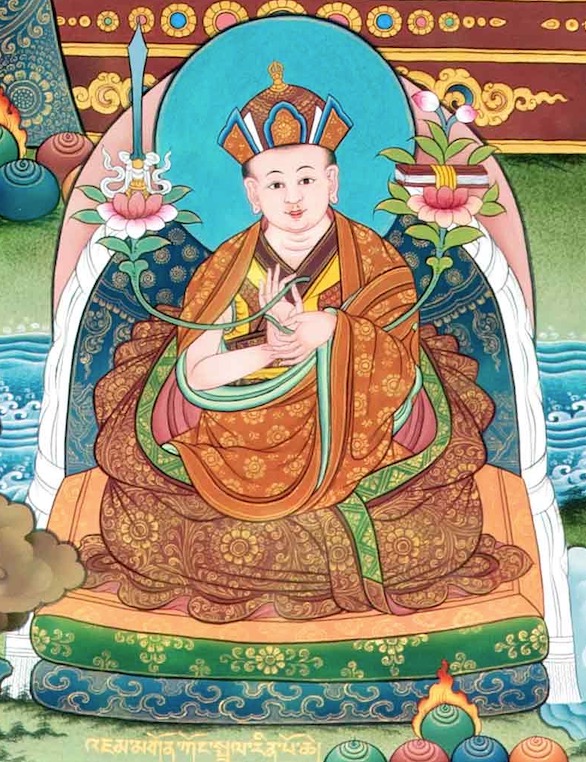
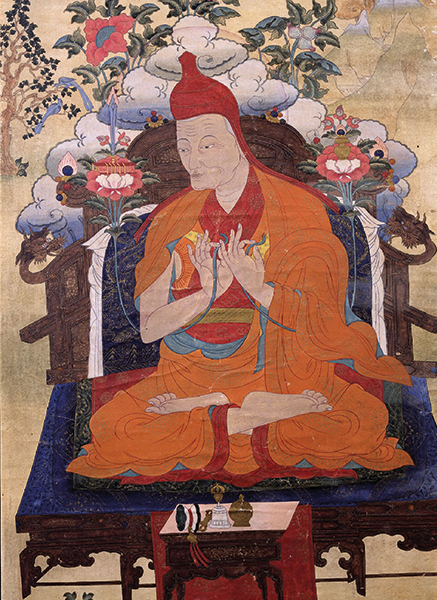

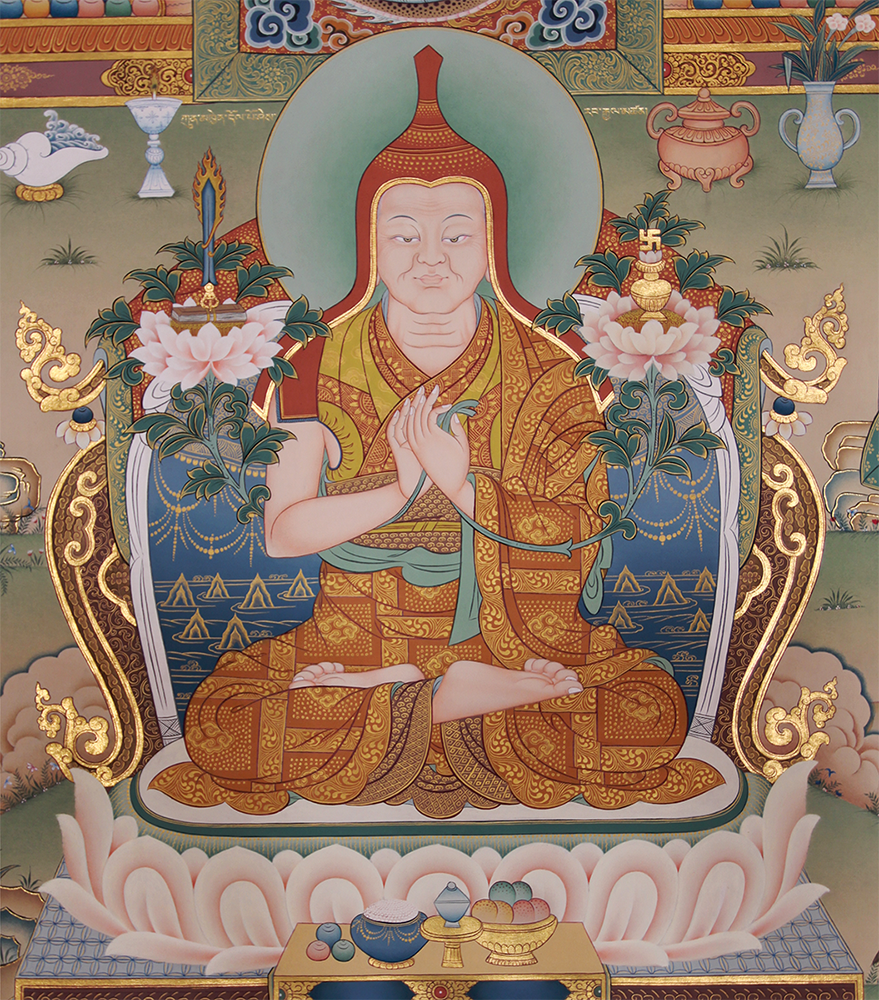
Jamgön Kongtrul is often described as one of the greatest scholars in the history of Tibet. A Karma Kagyu lama and model of rimay ecumenical activity, he collaborated closely with the Sakya lama Jamyang Khyentse Wangpo and the Nyingma treasure revealer Chokgyur Lingpa, in the opening of sacred sites and the revelation of treasure. His prodigious literary output, categorized as the Five Treasuries, cover the entire range of Tibetan Buddhist theory and ritual as well as numerous other topics, and preserved scores of Tibetan religious traditions that were at the time in danger of being lost. Based primarily at Pelpung Monastery, in Derge in eastern Tibet, he built the nearby hermitage of Tsadra Rinchen Drak, which became his personal seat. Multiple incarnation lines were recognized after his death, including the main Jamgön Kongtrul line, based at Pelpung, the Dzokchen Kongtrul line and the Dzigar Kongtrul line. Kalu Rinpoche Karma Rangjung Kunkhyab (kar lu rin po che karma rang byung kun khyab, 1905-1989), was identified as the activity incarnation of Jamgon Kongtrul and was based at Tsadra Rinchen Drak.

Also known as
བློ་གྲོས་མཐའ་ཡས་ཡོན་ཏན་རྒྱ་མཚོ་འཇམ་མགོན་ཆོས་ཀྱི་རྒྱལ་པོ་པདྨ་གར་དབང་བློ་གྲོས་མཐའ་ཡས་པདྨ་གར་གྱི་དབང་ཕྱུག་རྩལ་པདྨ་གར་དབང་ཕྲིན་ལས་འགྲོ་འདུལ་རྩལ་blo gros mtha' yasyon tan rgya mtsho'jam mgon chos kyi rgyal popad+ma gar dbang blo gros mtha' yaspad+ma gar gyi dbang phyug rtsalpad+ma gar dbang phrin las 'gro 'dul rtsal
Emanation of
Student of
15 Authored & Translated Works
Library items authored or translated by Jamgön Kongtrul Lodrö Taye.