- [[<span class="smw-highlighter" data-type="4" data-state="inline" data-title="Warning" title="Some use of "|]]
- "
- In your query was not closed by a matching "
- "
- [[.">Some use of "" in your query was not closed by a matching "".|]]
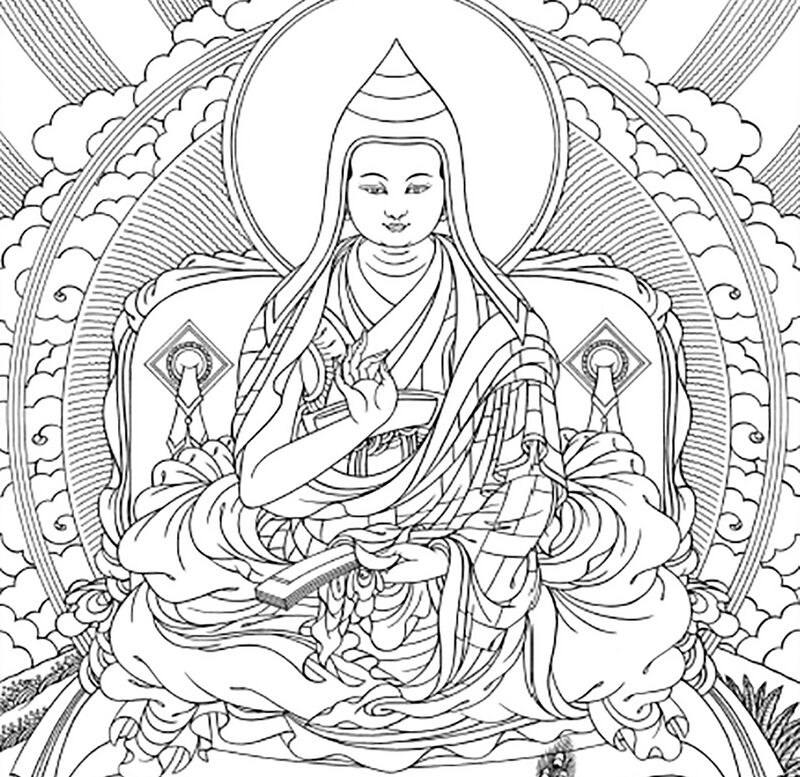
Chapter 9 of Śāntideva's Bodhicaryāvatāra explores the Perfection of Wisdom (prajñāpāramitā) and examining emptiness (śūnyatā) through rigorous philosophical analysis. This chapter sparked centuries of debate within Tibetan Buddhism, particularly between Madhyamaka interpretative schools. Mipham Rinpoche's commentary emphasized the compatibility of Prasaṅgika and Yogācāra views, drawing criticism from Drakar Tulku who defended Tsongkhapa's stricter Prasaṅgika position. Pari Rabsel joined the discourse, questioning aspects of both interpretations and proposing nuanced readings of Śāntideva's intended meaning regarding conventional and ultimate truths in Buddhist soteriology.
Notes
- [[<span class="smw-highlighter" data-type="4" data-state="inline" data-title="Warning" title="Some use of "|]]
- "
- In your query was not closed by a matching "
- "
- [[.">Some use of "" in your query was not closed by a matching "".|]]
Chapter 9 of Śāntideva's Bodhicaryāvatāra explores the Perfection of Wisdom (prajñāpāramitā) and examining emptiness (śūnyatā) through rigorous philosophical analysis. This chapter sparked centuries of debate within Tibetan Buddhism, particularly between Madhyamaka interpretative schools. Mipham Rinpoche's commentary emphasized the compatibility of Prasaṅgika and Yogācāra views, drawing criticism from Drakar Tulku who defended Tsongkhapa's stricter Prasaṅgika position. Pari Rabsel joined the discourse, questioning aspects of both interpretations and proposing nuanced readings of Śāntideva's intended meaning regarding conventional and ultimate truths in Buddhist soteriology.
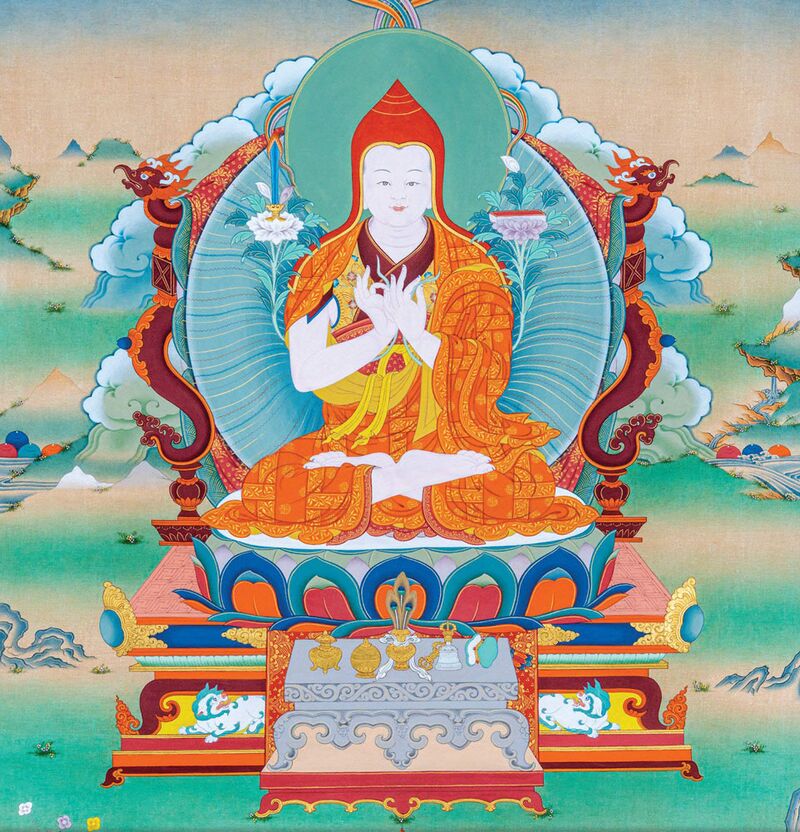
This article explores and contextualizes the philosophical debates between Mipham Rinpoche, representing the Nyingma tradition, and Geluk scholars like Drakar Tulku and Pari Lobsang Rabsel in 19th century Tibet. These scholarly exchanges illuminate fundamental questions about the proper interpretation of Madhyamaka philosophy and reveal the rich intellectual traditions that emerged around Śāntideva's profound teachings on wisdom and emptiness.
