| 🤓 Admin Zone 🛠️ hidden to non-admins | |
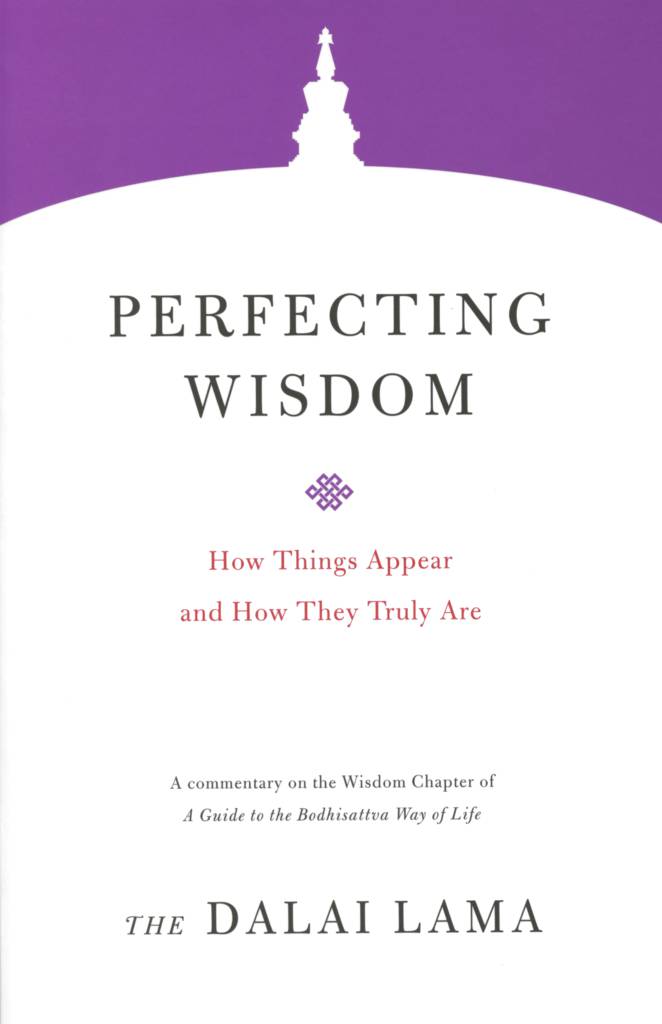
Perfecting Wisdom: How Things Appear and How They Truly Are - A commentary on the Wisdom Chapter of A Guide to the Bodhisattva Way of Life
Book
Please note that many items in our library are simply pages that represent a detailed library catalog entry and citation of someone else's work, presentation, or performance. Read our General Disclaimer for more information. You can find more information about this item on the publisher website.

Description
This extraordinarily clear exposition on the wisdom section of A Guide to the Bodhisattva Way of Life is based on an oral teaching given in Switzerland by H.H. the Dalai Lama before an audience of thousands of Tibetans and Westerners in 1979. Shantideva's A Guide to the Bodhisattva Way of Life is one of the most important texts in the Mahayana tradition of Buddhist practice. Its ninth chapter, the section on transcendent wisdom, is known among Buddhist scholars as a challenging exposition of Madhyamika philosophy and difficult to understand without a commentary. This invaluable volume with its precise elucidation of the core issues of Tibetan Buddhism stands as a key work in Buddhist literature. (Source: Shambhala Publications)
Citation
Dalai Lama, 14th. Perfecting Wisdom: How Things Appear and How They Truly Are; A Commentary on the Wisdom Chapter of A Guide to the Bodhisattva Way of Life. Translated, edited, and annotated by B. Alan Wallace. Core Teachings of the Dalai Lama. Boulder, CO: Shambhala Publications, 2019.
Publisher Link
Interconnections
1 Partial translation of

An "Introduction to Bodhisattva Practice," the Bodhisattvacaryāvatāra is a poem about the path of a bodhisattva, in ten chapters, written by the Indian Buddhist Śāntideva (fl. c. 685–763). One of the masterpieces of world literature, it is a core text of Mahāyāna Buddhism and continues to be taught, studied, and commented upon in many languages and by many traditions around the world. The main subject of the text is bodhicitta, the altruistic aspiration for enlightenment, and the path and practices of the bodhisattva, the six perfections (pāramitās). The text forms the basis of many contemporary discussions of Buddhist ethics and philosophy.
2 Other editions

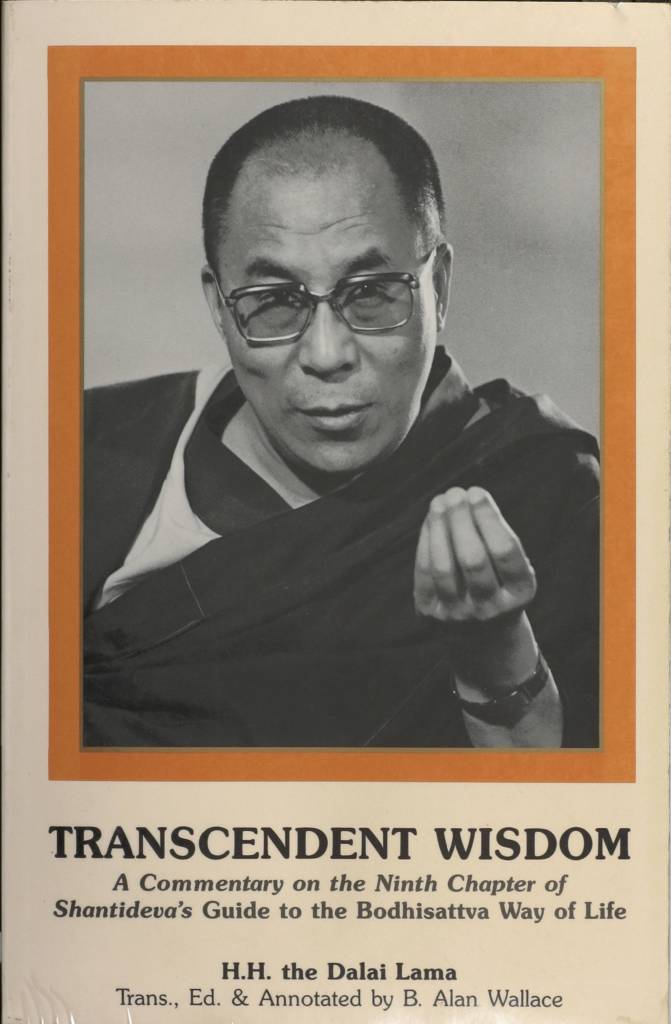
A translation of a commentary by the 14th Dalai Lama on the ninth chapter of the Bodhicaryāvatāra, based on an oral teaching given in 1979 in Rikon, Switzerland.
-front.jpg)
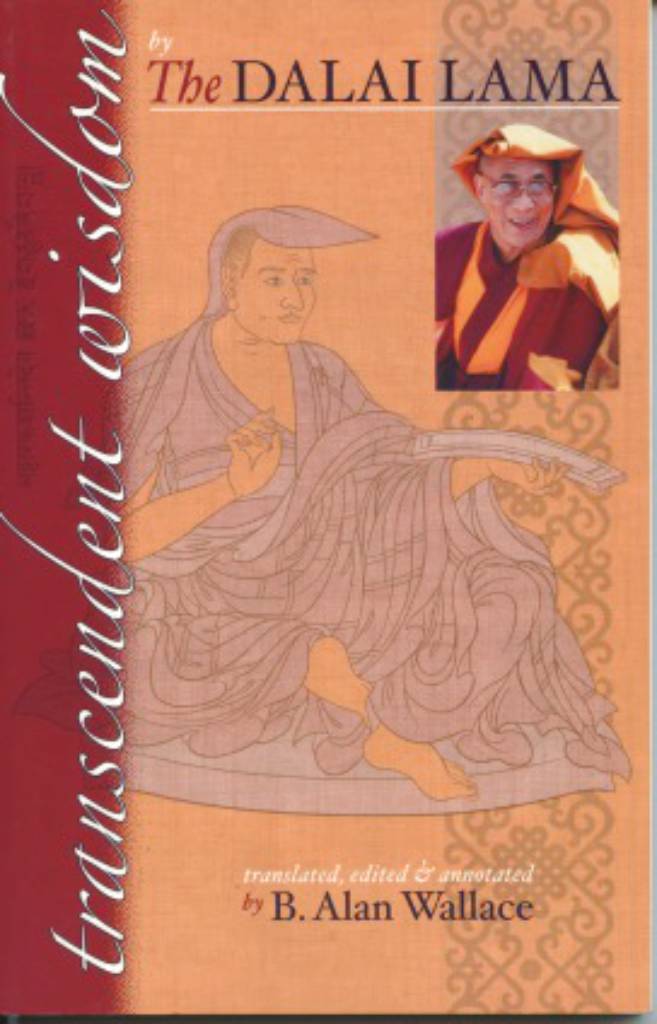
A translation of a commentary by the 14th Dalai Lama on the ninth chapter of the Bodhicaryāvatāra based on an oral teaching given in 1979 in Rikon, Switzerland.
1 Teaching based on
An "Introduction to Bodhisattva Practice," the Bodhisattvacaryāvatāra is a poem about the path of a bodhisattva, in ten chapters, written by the Indian Buddhist Śāntideva (fl. c. 685–763). One of the masterpieces of world literature, it is a core text of Mahāyāna Buddhism and continues to be taught, studied, and commented upon in many languages and by many traditions around the world. The main subject of the text is bodhicitta, the altruistic aspiration for enlightenment, and the path and practices of the bodhisattva, the six perfections (pāramitās). The text forms the basis of many contemporary discussions of Buddhist ethics and philosophy.