Please note that many items in our library are simply pages that represent a detailed library catalog entry and citation of someone else's work, presentation, or performance. Read our General Disclaimer for more information. You can find more information about this item on the publisher website.
People
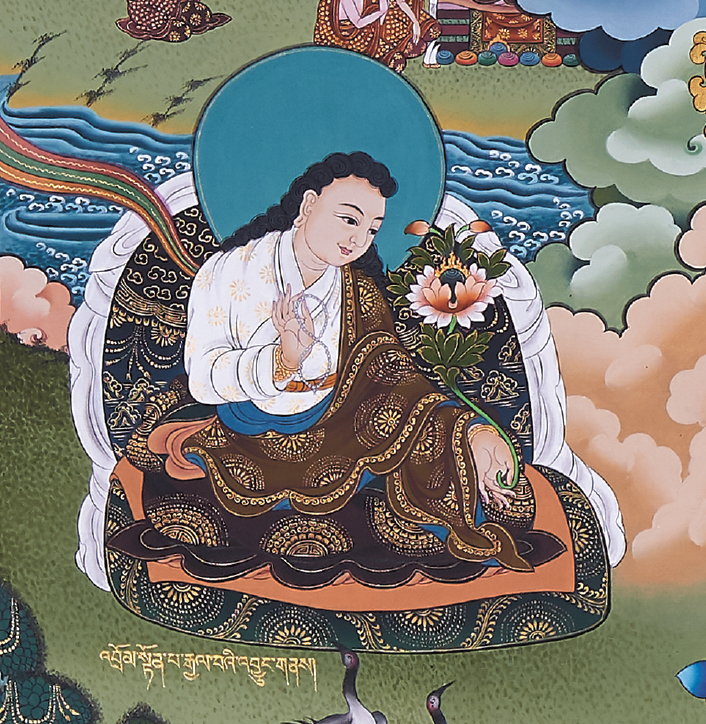
The Second Dalai Lama, Gendun Gyatsoདགེ་འདུན་རྒྱ་མཚོ།
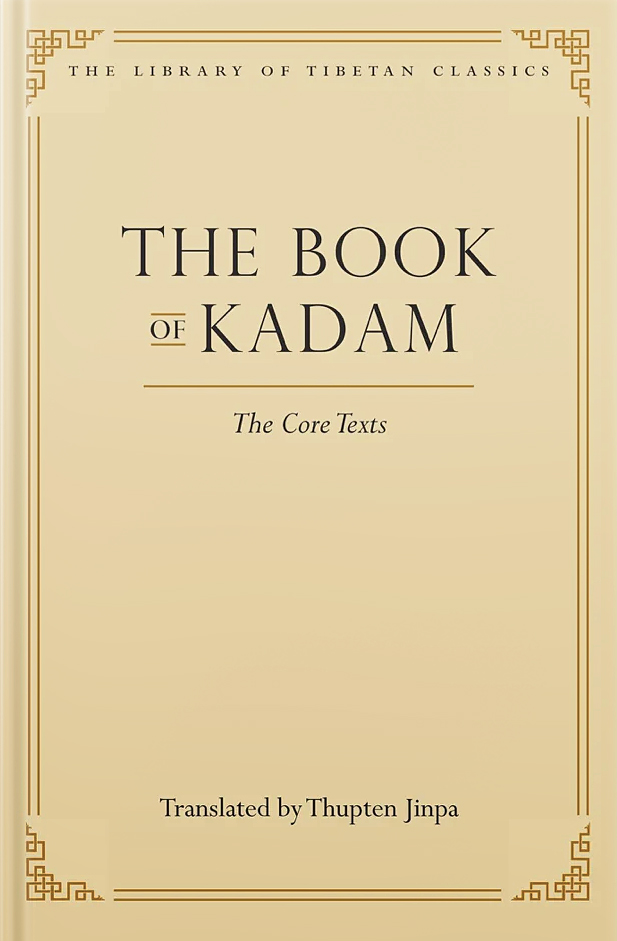
The Kadam school of Tibetan Buddhism emerged in the eleventh century from the teachings of the Indian master Atiśa and his principal Tibetan student, Dromtönpa. Although it no longer exists as an independent school, Kadam’s teachings were incorporated into the four major schools of Tibetan Buddhism and are still prized today for their unique practical application of the bodhisattva’s altruistic ideal in everyday life. One of the most cherished teachings stemming from Atiśa and Dromtönpa is the collection of esoteric oral transmissions enshrined in The Book of Kadam.
This volume includes the core texts of the Book of Kadam, notably the twenty-three-chapter dialogue between Atiśa and Dromtönpa that is woven around Atiśa's Bodhisattva's Jewel Garland, as well as complementary texts that illuminate the history and practices of the Kadam tradition. (Source: Wisdom Publications)
Citation
Jinpa, Thupten, ed. and trans. The Book of Kadam: The Core Texts. By Atiśa (jo bo rje a ti sha) and Dromtönpa ('brom ston pa). Library of Tibetan Classics 2. Boston: Wisdom Publications, 2008.
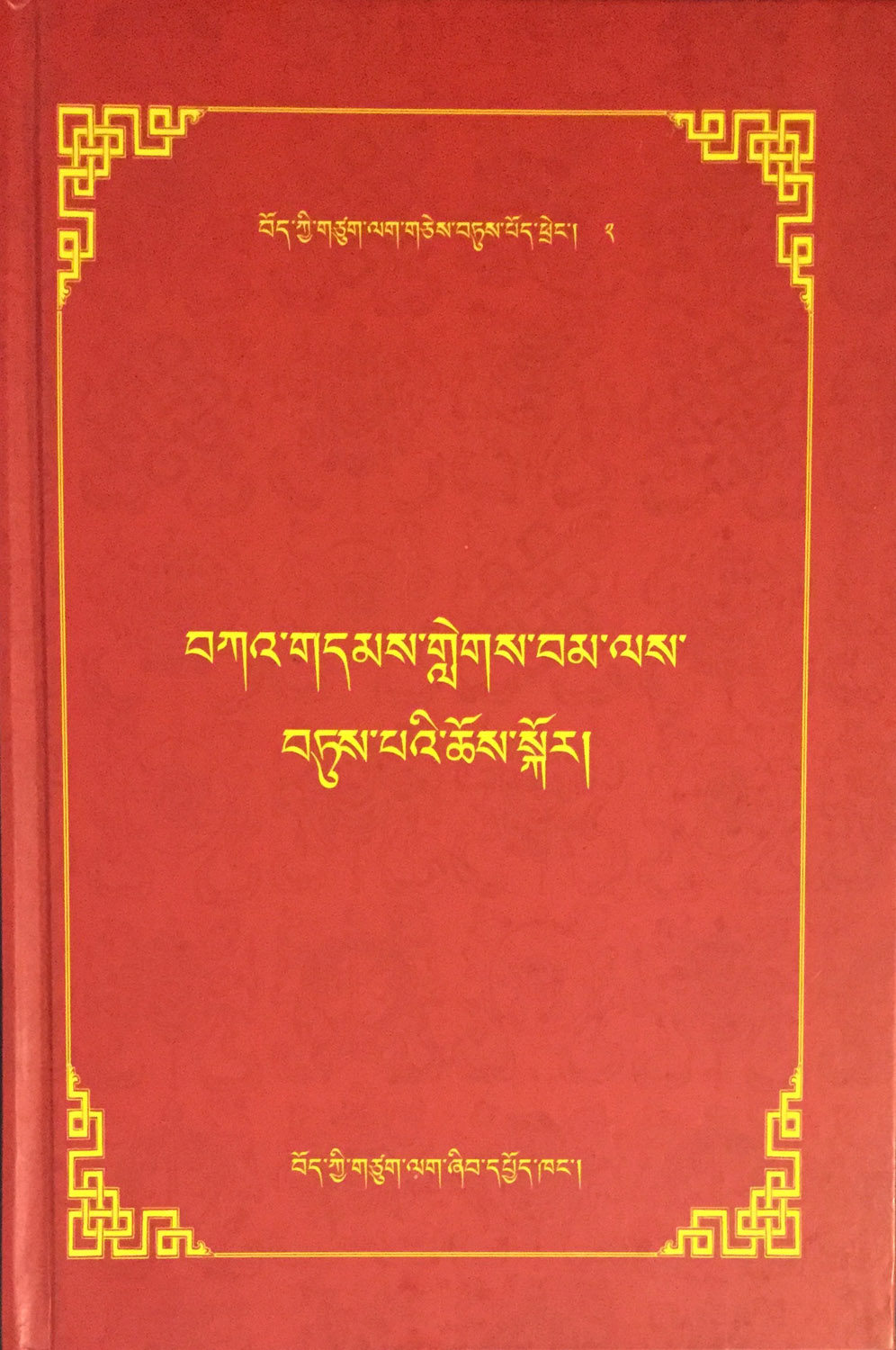
[[Bka' gdams glegs bam las btus pa'i chos skor|Thupten Jinpa, ed. Selections from the Collected Works of the Kadam Tradition. Tibetan Classics Series 2. New Delhi: Institute of Tibetan Classics, 2005. Glang ri ba thub bstan sbyin pa. Bka' gdams glegs bam las btus pa'i chos skor. bod kyi gtsug lag gces btus, 2. bod gyi gtsug lag zhib dpyod khang, 2005. གླང་རི་བ་ཐུབ་བསྟན་སྦྱིན་པ། བཀའ་གདམས་གླེགས་བམ་ལས་བཏུས་པའི་ཆོས་སྐོར། བོད་ཀྱི་གཙུག་ལག་གཅེས་བཏུས། ༢ བོད་ཀྱི་གཙུག་ལག་ཞིབ་དཔྱོད་ཁང་། 2005. བཀའ་གདམས་གླེགས་བམ་ལས་བཏུས་པའི་ཆོས་སྐོར།]]
Tibetan Publications2005About this item
The Book of Kadam. One of the most cherished teachings stemming from Atiśa and Dromtönpa is the collection of esoteric oral transmissions enshrined in The Book of Kadam. This volume includes the core texts of The Book of Kadam, notably the twenty-three-chapter dialogue between Atiśa and Dromtönpa that is woven around Atiśa's Bodhisattva's Jewel Garland, as well as complementary texts that illuminate the history and practices of the Kadam tradition.
Biography of Atiśa copmposed by his student Dromtönpa Gyalwa Jungne. It has an alternative title, The Qualities of My Teacher, Which Are the Source of Dharma, and begins with a short ode that also appears as the first entry in the Father Teachings, volume 1 of The Book of Kadam, and that is probably where the editors of the Mind Training: The Great Collection got it for our present anthology. (Source: Thupten Jinpa, trans. and ed., Mind Training: The Great Collection. Compiled by Shönu Gyalchok and Könchok Gyaltsen (Boston: Wisdom Publications, 2006), 581n40)
Bka' gdams glegs bam pha chos bu chos. (Kadam Lekbam Pachö Buchö). In Tibetan, "The Book of Bka' gdams, Dharma of the Father and Sons" originating with the Indian
master Atiśa Dīpaṃkaraśrījñāna a seminal work of the Bka' gdams sect of Tibetan Buddhism, being the primary text of the oral-instruction (man ngag) lineage organized into its present version by Mkhan chen Nyi ma rgyal mtshan (Kenchen Nyima Gyaltsen) in 1302. "Dharma of the Father" refers to Atiśa's responses to questions posed by his foremost Tibetan student 'Brom ston Rgyal ba'i 'byung gnas (the two "fathers" of Bka' gdams); "Dharma of the Sons" refers to Atiśa's responses to questions posed by Rngog Legs pa'i shes rab and Khu ston Brtson 'grus g.yung drung (Kutön Tsondrü Yungdrung), the spiritual sons of Atiśa and 'Brom ston pa. (Source: "Bka' gdams glegs bam pha chos bu chos." In The Princeton Dictionary of Buddhism, 123. Princeton University Press, 2014. http://www.jstor.org/stable/j.ctt46n41q.27.)
Kadam - The Kadam tradition, which traces its origin to the teachings of Atiśa, was the first of the so-called New Schools of Tibetan Buddhism, traditions which arose during or after the Second Propagation of Buddhism (phyi dar) in the tenth century. Tib བཀའ་གདམས་
Bodhisattva - A person who seeks enlightenment for the sake of others. In Mahāyāna Buddhism, a bodhisattva is a compassionate being who is training on the path to buddhahood and aspires to eliminate the suffering of all beings and take all sentient beings to the state of enlightenment. The Mahāyāna sūtras including those on buddha-nature generally have bodhisattvas as the main audience or interlocutors for the Buddha's discourses. Skt बोधिसत्त्व Tib བྱང་ཆུབ་སེམས་དཔའ། Ch 菩薩
Bodhisattva - A person who seeks enlightenment for the sake of others. In Mahāyāna Buddhism, a bodhisattva is a compassionate being who is training on the path to buddhahood and aspires to eliminate the suffering of all beings and take all sentient beings to the state of enlightenment. The Mahāyāna sūtras including those on buddha-nature generally have bodhisattvas as the main audience or interlocutors for the Buddha's discourses. Skt बोधिसत्त्व Tib བྱང་ཆུབ་སེམས་དཔའ། Ch 菩薩
Bodhisattva - A person who seeks enlightenment for the sake of others. In Mahāyāna Buddhism, a bodhisattva is a compassionate being who is training on the path to buddhahood and aspires to eliminate the suffering of all beings and take all sentient beings to the state of enlightenment. The Mahāyāna sūtras including those on buddha-nature generally have bodhisattvas as the main audience or interlocutors for the Buddha's discourses. Skt बोधिसत्त्व Tib བྱང་ཆུབ་སེམས་དཔའ། Ch 菩薩
Bodhisattva - A person who seeks enlightenment for the sake of others. In Mahāyāna Buddhism, a bodhisattva is a compassionate being who is training on the path to buddhahood and aspires to eliminate the suffering of all beings and take all sentient beings to the state of enlightenment. The Mahāyāna sūtras including those on buddha-nature generally have bodhisattvas as the main audience or interlocutors for the Buddha's discourses. Skt बोधिसत्त्व Tib བྱང་ཆུབ་སེམས་དཔའ། Ch 菩薩