Trisamayarājasādhana/Full text
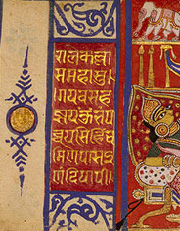
The Trisamayarājasādhana (Skt. Trisamayarājasya sādhana; Tib. དམ་ཚིག་གསུམ་གྱི་རྒྱལ་པོའི་སྒྲུབ་པའི་ཐབས, Dam tshig gsum gyi rgyal po'i sgrub pa'i thabs), Toh 3144 / RKTST 1964, is a short tantric sādhana attributed to Kumudākaramati, translated into Tibetan by the monk Tsultrim Gyaltsen; the text sets out a ritual sequence of offerings, mantra recitations, and purification practices, including an extended offering formula dedicating unowned jewels, wish-fulfilling trees, and ocean-treasures "arising from dry land" and "born from water" across the ten directions, together with the sensory offerings of form, sound, smell, taste, and touch, and a purification rite built around reciting the hundred-syllable mantra of the Tathāgatagarbha eight thousand times to exhaust the karmic obscurations of having disparaged the holy Dharma or committed the five heinous acts; this same jewel-mountain offering formula recurs nearly verbatim in Kumudākaramati's other attributed work, the Sādhanasamuccaya (Toh 3400), pointing to a shared liturgical idiom across his corpus, and its exact title match to Bendall's citation of "the holy Trisamayarāja" in Śāntideva's Śikṣāsamuccaya makes it the strongest surviving candidate source for that citation, though the fuller catalogue of offerings Śāntideva quotes (medicinal mushrooms, nectar-plants, wild and cultivated rice, the delicacies of Uttarakuru) does not appear in the text as preserved here.
| Reference | Kumudākaramati (paN+Di ta chen po ku mu da 'byung gnas blo gros). trisamayarājasādhana [त्रिसमयराजसाधन]. dam tshig gsum gyi rgyal po'i sgrub pa'i thabs [དམ་ཚིག་གསུམ་གྱི་རྒྱལ་པོའི་སྒྲུབ་པའི་ཐབས།]. [A Sādhana of the King of the Three Commitments (84000)]. Tengyur, RKTST 1964 http://www.rkts.org/cat.php?id=1964&typ=2. |
|---|---|
| People | People/Kumudākaramati, Pa tshab Tshul khrims rgyal mtshan |
