Daśabhūmivyākhyāna/Full text
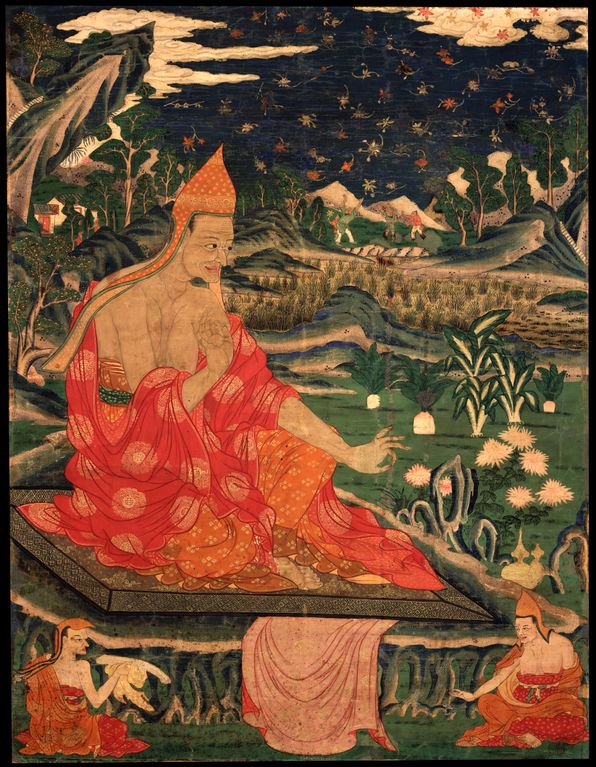
In Sanskrit, "Explanation of the Daśabhūmikasūtra"; a commentary on the Daśabhūmikasūtra attributed to the Indian exegete Vasubandhu. The work served as the basis for the Chinese Di Lun Zong, "School of Di lun Exegetes," a lineage of Buddhist scholiasts who studied this text. (Di lun is an abbreviation of the Shidijing lun, the Chinese translation of the Daśabhūmivyākhyāna.) The school is considered to be one of the earliest of the indigenous scholastic traditions of East Asian Mahāyāna Buddhism, and its thought draws on strands of Indic thought that derive from both the Yogācāra and Tathāgatagarbha traditions. (Source: "Daśabhūmivyākhyāna." In The Princeton Dictionary of Buddhism, 220. Princeton University Press, 2014. http://www.jstor.org/stable/j.ctt46n41q.27.)
| Reference | Vasubandhu. daśabhūmivyākhyāna [दशभूमिव्याख्यान]. sa bcu pa'i rnam par bshad pa [ས་བཅུ་པའི་རྣམ་པར་བཤད་པ]. [An Explanation of The Ten Bhūmis (84000)]. Tengyur, RKTST 3333 http://www.rkts.org/cat.php?id=3333&typ=2. |
|---|---|
| People | Vasubandhu, Kawa Paltsek, Yeshe De |
