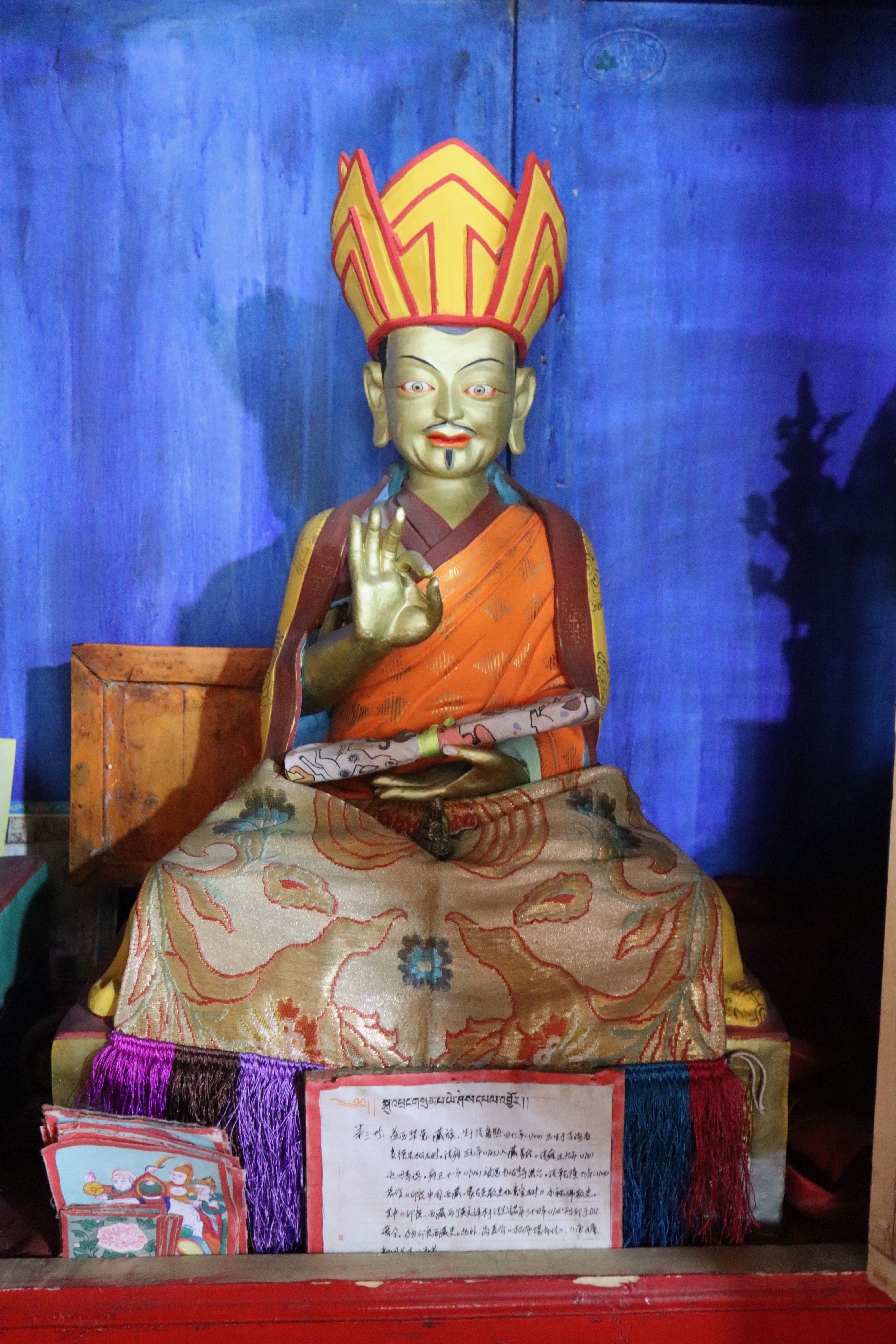
Pag Sam Jon Zang by Sumpa Khanpo Yeshe Pal Jor
From Bodhicitta
< BooksBooks/Pag Sam Jon Zang by Sumpa Khanpo Yeshe Pal Jor
| 🤓 Admin Zone 🛠️ hidden to non-admins | |
Pag Sam Jon Zang (dPag bsam ljon bzang) Part I & Part II by Sumpa Khanpo Yeshe Pal Jor (Sum pa mkhan po Ye shes dpal 'byor)
Book
Please note that many items in our library are simply pages that represent a detailed library catalog entry and citation of someone else's work, presentation, or performance. Read our General Disclaimer for more information.

Description
Pag Sam Jon Zang (also spelled Dpag bsam ljong bzang in Tibetan transliteration) is an important historical text written by Sumpa Khanpo Yeshe Paljor (1704–1788), a renowned Mongolian-Tibetan Buddhist scholar and historian of the Gelug tradition.
This work is a comprehensive historical chronicle that covers:
- The history of Buddhism in India
- The spread of Buddhism to Tibet and Mongolia
- The genealogy of various Tibetan and Mongolian royal lineages
- Detailed accounts of the development of different Buddhist schools in Tibet
It's particularly valued as a historical source because it incorporates numerous citations from earlier works, some of which are no longer extant. Sumpa Khanpo compiled this detailed history in the 18th century, drawing on various source materials and presenting a systematic view of Buddhist history from a Gelugpa perspective.
The text is considered one of the major Tibetan historical works and remains an important reference for scholars studying the development of Buddhism across Asia, particularly in Tibet and Mongolia. (Generated by Claude ai Mar 31, 2025])
Citation
Das, Sarat Chandra, ed. Pag Sam Jon Zang (dPag bsam ljon bzang): Part I and Part II by Sumpa Khanpo Yeshe Pal Jor (Sum pa mkhan po Ye shes dpal 'byor). Reprint. Ulm/Donau, Germany: Fabri Verlag, 2005.
Table of contents
- Invocation to Mañju-ghoṣa1
- Introductionib.
- The origin of the world (འཇིག་རྟེན་ཁམས་ཀྱི་འབྱང་ཚུལ)ib.
- The disposition of the different fabulous continents and islands2
- The superior attributes (i.e., special advantages of Jambudvīpa (འཛམ་བུ་གླིང་འདིའི་ཁྱད་ཆོས་ནི)3
- The geographical distribution of the different countries of Jambudvīpaib.
- Rivers, mountains, lakes, etc., and the different holy places of Jambudvīpaib.
- The places of habitation of the different kinds of fancied beings4
- The infernal regions, the Tantalus or the abode of the manes of the dead-(Preta loka)5
- The regions occupied by the Asura demi-godsib.
- The celestial regions (ལྷ་གནས)ib
- The movement of the planets, heavenly bodies and the origin and calculation of time6
- The stature of human and other beings of the Kama Loka and Rūpa Loka worlds (འདོད་གཟུགས་ཀྱི་ཞུས་ཚ)8
- The longevity, duration of the lives of the beings of the three worlds (ཁམས་གསུམ་གྱི་ཚེ་ཚད་ནི)ib.
- The measure of the body and duration of life of all living beings in the three worlds9
- The size, shape and dimensions of the different continents10
- Description of the Sumeru mountain, the horizon, etc., and that of some fancied, countless worlds11
- The thirty-one states of existence in this world (རྟེན་གྱི་སྣོད་ལ་བརྟེན་མ་བཅུད་སྲིད་པ་སོ་གཅིག་ཚུལ་ནི)12
- Condition of existence and duration of time, etc.13
- Description of the worlds inhabited by different kinds of beings as described in the Abhidarma Koṣa and Kāla Cakra14
- The two great periods of time, viz., illuminated period called (བསྐལ་བཟང་) and the dark period called (མུན་བསྐལ)ib.
- Description of སྒྲོན་བསྐལ (the illuminated period)15
- The time of appearing of the Buddhas in the present excellent, illuminated period called Bhadra Kalpa (བསྐལ་བཟང་) the lucky
or happy age16 - The four ages and their duration and special featuresib.
- Origin of the four or five races of men in Jambudvīpa (མི་རིགས་བཞིའམ་ལྔ་བྱུང་ཚུལ་ནི)17
- Geneology of the earliest lines of the fancied kings who ruled over Jambudvīpa (India) and also the names of the early Buddhas18
- The line of kings from Kriki, and the origin of the Çākya raceib.
- The reason why this world is called (མི་མཇེད་ཀྱི་ཞིང་) mi-mjed-kyi shin the world of intolerable (suffering)19
- According to the Hīna Yāna (ཐེག་དམན་གྱི་ལུགས་ལྟ): How the idea of Buddhahood first dawned in the mind of king Prabhāsa who ultimately became incarnated in Buddha Çākya Muni ?20
- How the accumulation of moral merits in a series of countless births of a Buddha raises him to the highest stage of perfection?21
- How he attains to Buddhahood?ib.
- How Çākya Muni descended from the Tuṣita heaven and was born in this world on several occasions. An enumeration
of the acts of his different births?22 - The first conception of Buddhistic idea in the earliest of the Buddha's former births according to the Mahāyāna general School (ཐེག་ཆེན་ཐུན་མོང་པའི་ལུགས་ལ་སེམས་བསྐྱེད་ཚུལ)22
- What conduced the former accepted line of births (according to Buddhist belief) of Çākya Muni to gradually being developed into a Buddha?23
- From Bodhisattva Sūtra Piṭaka: how Çākya Muni became Buddha by the accumulation of moral merits in some of his
former births (སྟོན་པས་ཚོགས་བསགས་ཚུལ་བྱང་སེམས་ཀྱི་སྡེ་སྣོད་ལས)25 - How he became Buddha according to the Mahāyāna (སངས་རྒྱས་པའི་ཚུལ་ནི)26
- How he made the great renunciation (རབ་ཏུ་བྱུང་བ་ནི)27
- His ascetism on the bank of the river Nairañjana during a period of six years (ལོ་དྲུག་ཆུ་བོ་ནཻ་རཉ་ཛ་ནའི་འགྲམ་དུ་དཀའ་བསྤྱད་ཚུལ་ནི)29
- The enumeration of his various deeds30–36
- His attainment of Buddhahood at the age of 3537
- His preaching the Kālacakra Tantra at the beginning of the 37th year of his ageib.
- His preaching the Wheel of Law (Dharma cakra)38
- His deathib.
- Description of his various teachings39–40
- The three systems of his teachings, viz., Hīna Yāna, Mahā Yāna (general) and Vajra Yāna (བསྟན་པའི་རྣམ་བཞག་ལ ཋེག་དམ ཐེག་ཆེན་ཐུན་མོང་པ རྡོ་རྗེ་ཐེག་པའི་ལུགས་སོ)41
- The origin of the three Buddhist convocations in which the teachings of the Buddha were collected (བཀའ་བསྡུ་གསུམ་བྱུང་ཚུལ)42
- The four earliest schisms in the Buddhist Churchcwhich were afterwards subdivided into eighteen sects
(རྩ་བའི་སྡེ་བཞི་པོ་བཅོ་བརྒྱད་དུ་གྱེས་ཚུ)43–44 - Account of the third convocation under the auspices of Kaniṣka and the early successors of the Buddha in the
ministry44–45 - Spread of Buddhism, the teachings of the Hīna Yāna and Mahā Yāna schools46–48
- The erection of the great temple of Mahā Bodhi (called महागन्धलय Mahā Gandhālaya, vulgarly Mahā Gandhola) at
Vajrāsana (Buddha-Gayā)49 - The downfall of Buddhism in Jambudvīpa (India)50
- The cause of the downfall51
- The various teachings of the Vajra Yāna system51–53
- The collecting of the teachings of Vajra Yāna (རྡོ་རྗེ་ཐེག་པའི་བཀའ་བསྡས་ཚུལ)54
- The duration of the Vajra Yāna (རྡོ་རྗེ་ཐེག་པའི་གནས་ཚད)56
- The enumeration of Buddhist teachings (དམ་ཆོས་གྱི་རྣམ་བཞག)59
- The development of the teachings of the Master (སྟོན་པ) and the Çāstra scriptures (བཀའ་བསྟན་ཆོས་གཉིས་སུ་ཕྱེ་བའི་བསྟན་འཆོས)61
- The patronage afforded to Buddhism by royalties since the death of Buddha
(སངས་རྒྱས་འདས་ཚུལ་བསྟན་པ་ནས་བཟུང་སྟེ་འཆད་པ་ལ་ཕྱིས་ཀྱིས་རྒྱལ་རབས་ནི)65 - A geographical description of Asia (India particularly) འཛམ་གླིང་གི་ཡུལ་སྤྱིའི་གནས་ཚུལ་ནི74
- Rise and progress of Buddhism in the several countries of Asia (རྒྱལ་བསྟན་དེའི་བར་དུ་དར་བ་ནི)75
- The secret doctrine of Mantra Yoga or mystic Buddhism (སྔགས་ཀྱི་རྣལ་འབྱོར་སྦས་པའི་ཚུལ་ནི)85
- Ācārya Nāgārjuna (སློབ་དཔོན་ཀླ་སྒྲུབ)85–86
- Anecdotes of king (བདེ་སྤྱོད་བཟང་པོ), Vararuci, Sapta varma and Kālidāsa87–88
- Account of Buddhism in Khotan and Tartary and་also that of the rise of Mahomedanism88
- Āryadeva and Nāga-hava89
- Rāhula bhadra90
- Nāgabodhi or Nāgabuddhi or Çringi-ka (རྭ་བ་ཅན) and Çāvari or (ས་ར་ཧ་ཆུང་བ)ib.
- Candragupta and Vindusāra91
- Açvaghoṣa and Kaniṣkaib.
- Kashmir under a Turiṣka Buddhist king92
- Invasion of Kabul and Multan by the Persian king Khunimamustib.
- Invasion of Magadha by the Turuṣkaib
- Buddhadiça, king of Vārānasā (Benares) receives presents from the Emperor of China92
- Ācārya Mālika buddhiib
- Mudita bhadra—the destruction by fire of Dharma Gañja or the grand University of Nālanda and its library contained in the three temples of Nālanda with the nine-storeyed grand templeccalled Ratnodadhiib
- Recovery of some of the lost Mahā Yāna scriptures and accidents to Mahā Yāna Buddhism and its later revival93
- Buddhe pālita (སངས་རྒྱས་བསྐྱངས) and Candra kīrtti (ཟླ་བ་གྲགས་པ)94
- Candra Gomi, the author of Candra Vyākaraṇa95
- Āryāsaṅga96–97
- Vasumitra98
- Buddhadāsa, Dharmadāsa, and Saṅghadāsa and Tri ratna dāsa99
- Bhadra pālita, Gunaprabha and Dhīramati100
- Dignāga (ཕྱོ་གས་གླང)ib
- Sarvajña mitra (ཐམས་ཅད་མཁྱེན་པའི་བཤེས་གཉེན)102
- Çānti Deva (ཞི་བའི་ལྷ)103
- Virûpa104
- Lalita Vajraib
- Dharma kīrtti and Vasu bandhu105
- Kumrā līla (Kumārila) and Çaṅkarācārya's religious controversy with the Buddhists106
- Some anecdotes of Dignāga, who was a contemporary of Dharma kīrtti and of king Sron btsan sgampo of Tibet106–107
- Lwa-pa and king Indrabodhi of (Uḍiyana or Urgyan) of the Tibetans (equals) Udyāna (Swat)108
- Origin of the Paṇshva rtse rin (the pointed conical cap worn by the Lamas of Tibet, during religious service), in the Pandit Vihāra of (Cātigaon) Chittagong109
- Buddhism in Maru and Chitwar (Chitor)ib
- The saint Jvalandhara also called Balipataib
- Kriṣna çaryā110
- Legends about the origin of the Pāla kings110–111
- Legends about the origin of the monastery of Odantapuri Vihãra (ཕུར་བྱེད་Oṭḍanta Puri (the castle soaring on high), the lofty vihāra)111
- Çānti rakṣita, Kamala çīla, Vasubandhu112
- Vikrama çīla Vihāra, king Cakra yuddha and Khri-sron ldehu-btsan113
- Rāhula bhadra and Buddha guhya; Masu rakṣita, Dharmottarācārya and king Mahī Pāla114-15
- Siddha Tillipa (Prajñā bhadra) of Cāṭigaon (Chittagong) Bodhi çri Nãropa. King Naya Pāla, Caṇaka; the first mention of the Turuṣka Mahomedans116
- Description of Vikrama çīla117
- Atiça (Dīpaṇkara Çrījñāna)118
- His visit to Tibet. King Naya Pāla119
- Invasion of Magadha by the Turuṣka (Mahomedans), kings Amra Pāla and Rāma Pāla, Kṣanti Pāla, Abhaya kara gupta, the Buddhist Tantrik sage120
- Yakṣa Pāla, Lava Sena, Sena kings of Bengal, Rathika Sena of Bengal, the Kashmīrian Pandīta Çākya çrī bhadra121
- Conquest of Magadha and Bengal by the Mahomedans122
- Spread of Buddhism in Koki land, Chakma, Arakan, Burma, etc.123
- Account of the different Tantrik saints and nuns of later Buddhism124-31
- Account of some philosophical schools besides those of the Buddhists, in later times, as described by
Atiça and others132 - Description of Buddhist works of the Mahā Yāna and Tantra or Mantra Yāna schools which were translated in China,
Khotan, Tibet, etc.133 - Buddhism carried to the islands of the Indian ocean134
- Rise of mystical Buddhism (གསང་སྔགས་བྱུང་ཚུང་ཚུལ་ནིib
- Legends about the origin of Indra Vyākaraṇa (grammar), Pāṇini Vyākaraṇa (grammar), Candra Vyākarṇa (grammar), Kalāpa Vyākaraṇa (grammar), Rāja Çrī Vyākaraṇa (grammar), Sārasvat Vyākaraṇa (grammar)135
- Buddhist metaphysics (ཚད་མ); origin of writing also་that of Chorten (caitya)136
- About the origin of painting (painted image of Buddha) and letter-writing (བྲིས་སྐུ་དང་ཡི་གེ) , image-making in relief and in casts, etc.137
- Scriptures and religious symbols and (གསུང་རྟེན་ནི)137-38
- About the origin of medicine and medical works138
- The science of words Çabha Vidyā (སྒྲ་རིག)139
- Metaphysics and Poetry (གཏན་ཚིག་རིག་པ་ and སྙན་ངག་ནི)140
- Maitreya dharma five in all (བྱམས་ཆོས་ལྔ)141
- History and description of the different places where Buddhist Mysticism flourished and development of the
Tantrik cult142-146
Interconnections
1 Recension of

Sumpa Khenpo's history of India, Tibet, China, and Mongolia