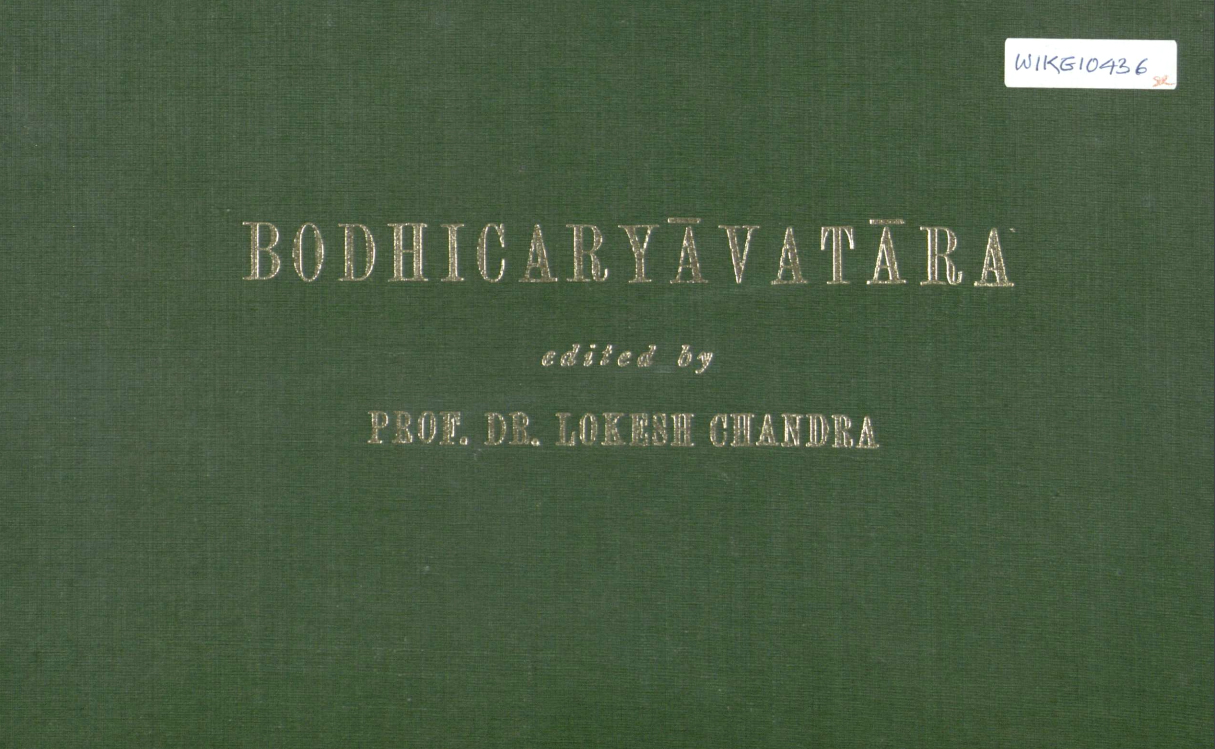
Bodhicaryāvatāra: 1. Pre-canonical Mongolian Text, 2. Tibetan Commentary by Blo-bzaṅ-dpal-ldan
From Bodhicitta
< Books
(Redirected from Bodhicaryāvatāra: 1. Pre-canonical Mongolian Text, 2. Tibetan Commentary by Blo-bzaṅ-dpal-ldan)Books/Bodhicaryāvatāra: 1. Pre-canonical Mongolian Text, 2. Tibetan Commentary by Blo-bzaṅ-dpal-ldan
| 🤓 Admin Zone 🛠️ hidden to non-admins | |
Bodhicaryāvatāra: 1. Pre-canonical Mongolian Text, 2. Tibetan Commentary by Blo-bzaṅ-dpal-Idan
Book
Please note that many items in our library are simply pages that represent a detailed library catalog entry and citation of someone else's work, presentation, or performance. Read our General Disclaimer for more information.

Description
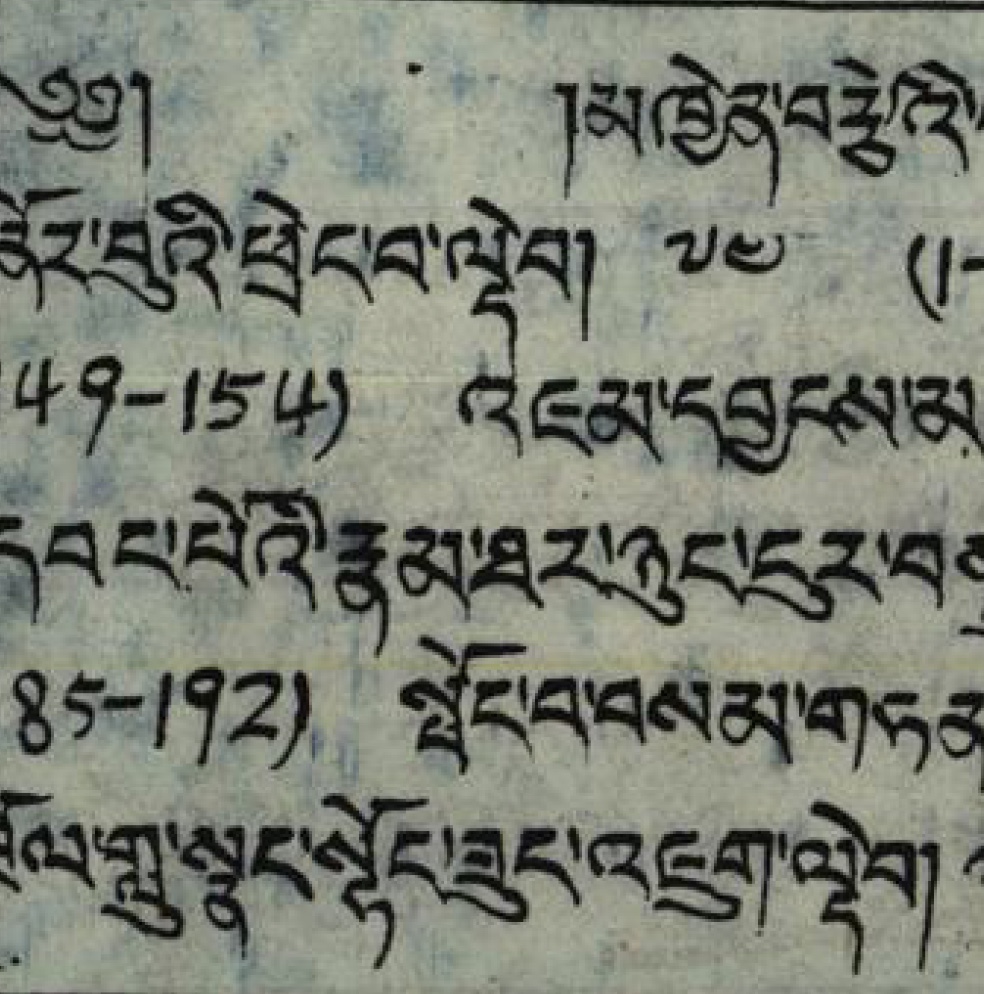
In Mongolian; commentary in Tibetan; introductory matter in English. It is the earliest known complete Mongolian text of the great didactic work of Śāntideva. It is very close to the 16th century fragments excavated from a ruined stupa at Olon sume-yin toor in Inner Mongolia. (Source Accessed Apr 2, 2021)
Citation
Chandra, Lokesh, ed. Bodhicaryāvatāra: 1. Pre-canonical Mongolian Text, 2. Tibetan Commentary by Blo-bzaṅ-dpal-ldan. With a foreword by Walther Heissig. Śata-Piṭaka Series 230. New Delhi: Sharada Rani, 1976.
Interconnections
2 Recension of

An "Introduction to Bodhisattva Practice," the Bodhisattvacaryāvatāra is a poem about the path of a bodhisattva, in ten chapters, written by the Indian Buddhist Śāntideva (fl. c. 685–763). One of the masterpieces of world literature, it is a core text of Mahāyāna Buddhism and continues to be taught, studied, and commented upon in many languages and by many traditions around the world. The main subject of the text is bodhicitta, the altruistic aspiration for enlightenment, and the path and practices of the bodhisattva, the six perfections (pāramitās). The text forms the basis of many contemporary discussions of Buddhist ethics and philosophy.

This commentary clarifies the words and meaning of the Bodhicaryāvatāra, and it is primarily based on the commentaries of Gyaltsap Darma Rinchen (Rgyal tshab rje dar ma rin chen) and Ngawang Dorje (Ngag dbang rdo rje), the latter being the root guru of the author. Various explanations within this commentary have been taken from Indian sources by Prajñākaramati, Vairocanarakṣita, Kalyāṇadeva, Vibhūticandra, and so on, and Tibetan sources by Sakya Jetsun Tsemo (Sa skya rje btsun rtse mo), Butön Rinchen Drup (Bu ston rin chen grub), Tokme Zangpo (Thogs med bzang po), Sazang Mati Dwaza, and Gyaltsap Je's Notes on Tsongkhapa's Teaching on The Wisdom Chapter, etc.